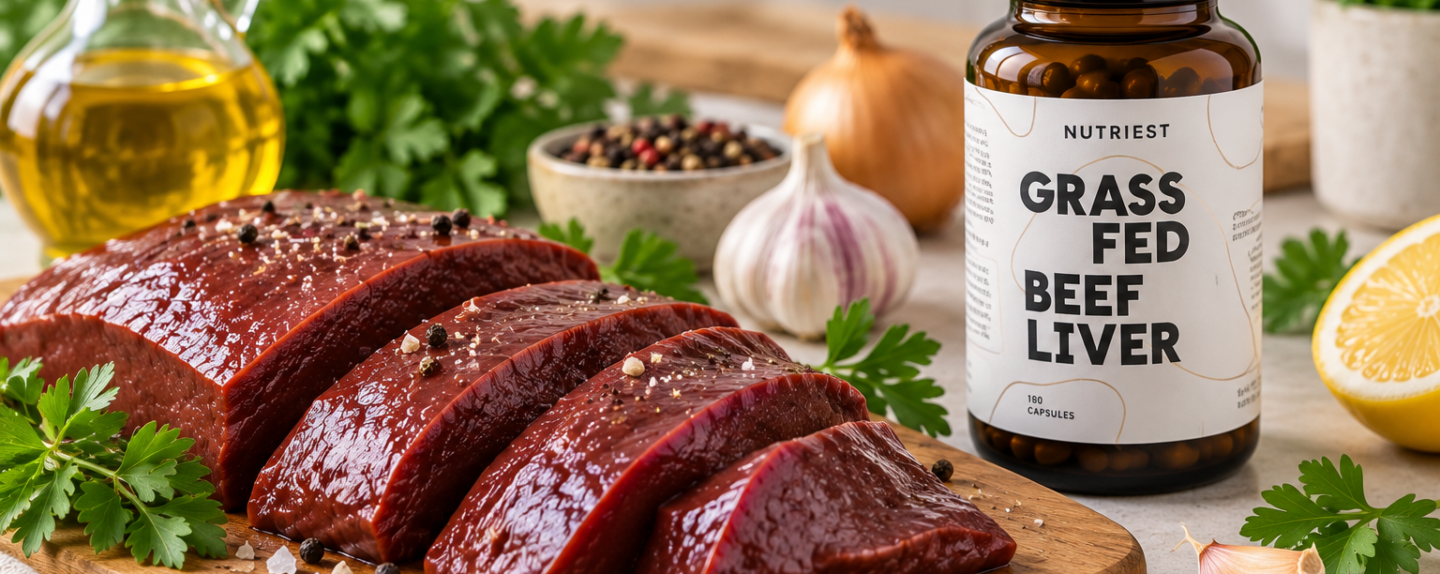
If you've been to the butcher or supermarket, you might have come across both ox liver and beef liver and wondered whether they are actually different foods. In practical terms, ox liver is a type of beef liver because an ox is an adult animal from the cattle family.
With that said, the terminology can still be confusing. Beef liver is a term that’s used broadly for liver that we obtain from cattle. On the other hand, ox liver traditionally refers more specifically to liver from an adult ox. However, the terms usually overlap, especially in the UK and Europe.
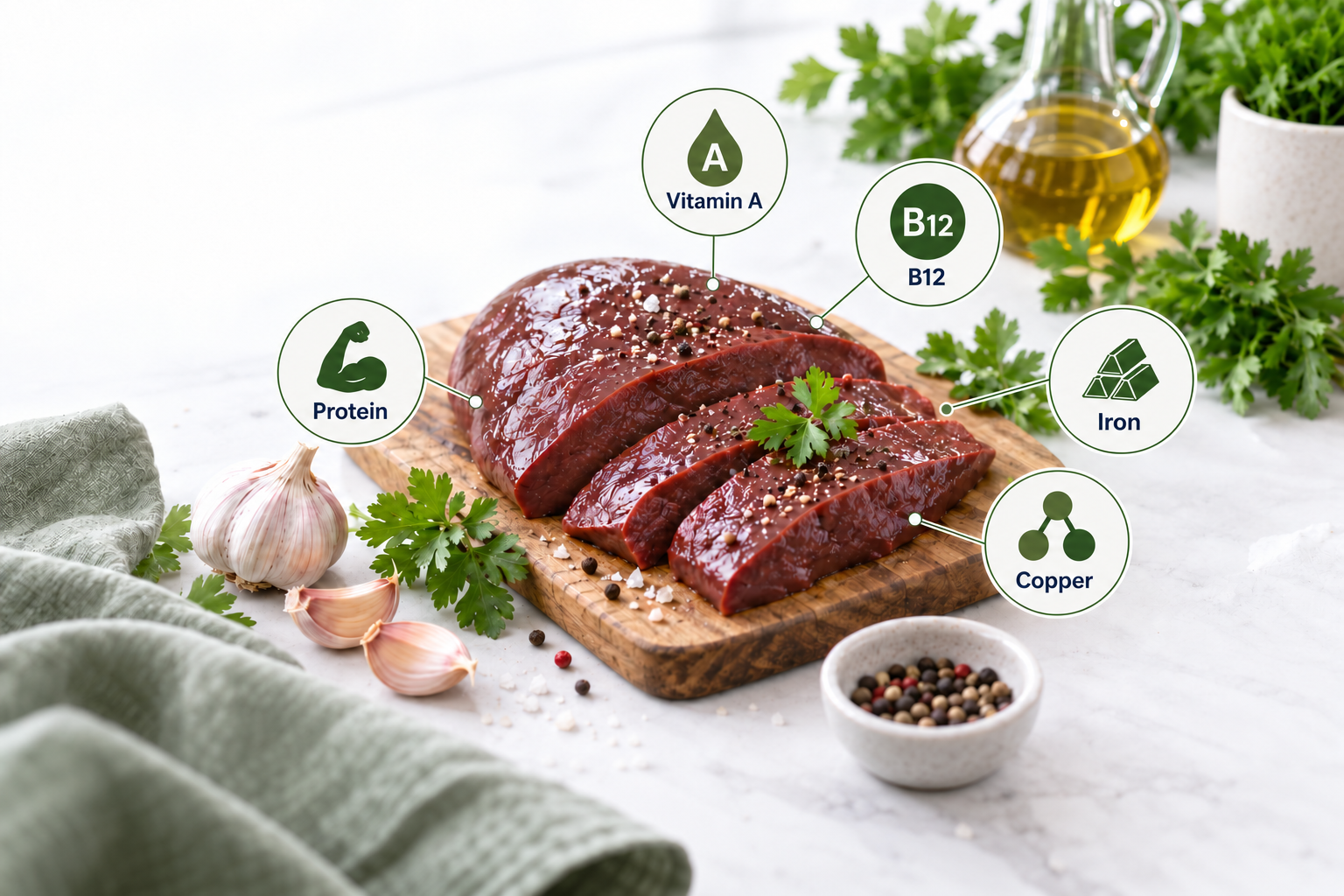
Beyond the name, both are highly nutrient-dense foods that contain vitamin A, B vitamins, iron, copper, choline, and protein.
At a Glance
- Is ox liver the same as beef liver? Essentially, yes. Ox liver comes from cattle and therefore falls under the broader category of beef liver.
- The most important factors are usually the individual animal, its diet, age, farming conditions, portion size, and how the liver is prepared.
Is Ox Liver the Same as Beef Liver?
An ox is bovine livestock, where the term traditionally refers to an adult castrated male, albeit “ox” has also been used more broadly for cattle in some contexts. Beef refers to meat from cattle.
This means all true ox liver can be described as beef liver, but not all beef liver necessarily comes from an ox.
If we consider the cooking perspective, this distinction rarely changes how you use it. Both are dark red organ meats that have a rich flavor and a softer texture compared to conventional muscle meat.
The nutritional composition of offal can be variable between animals and production systems, so two pieces of liver will not be chemically identical. Nevertheless, both ox and other bovine liver belong to the same general food category and supply similar types of vitamins, minerals, fat, and high-quality protein.
What Beef Liver and Ox Liver Contains
One of the reasons that liver attracts so much attention is that very small amounts give you significant amounts of essential vitamins and minerals.
Let’s go over the amounts for approximately 85 g (3 oz) of cooked beef liver:
| Nutrient | Approximate amount | Daily Value |
|---|---|---|
| Vitamin A | 6,582 mcg RAE | 731% |
| Vitamin B12 | 70.7 mcg | 2,944% |
| Riboflavin (B2) | 2.9 mg | 223% |
| Iron | 5 mg | 28% |
| Copper | 12.4 mg | 1,378% |
| Choline | 356 mg | 65% |
| Folate | 215 mcg DFE | 54% |
These figures demonstrate why everyone believes beef liver to be a nutrient dense food. It contains far more preformed vitamin A and vitamin B12 than most common foods and is also an important source of iron, copper, folate, riboflavin, vitamin B6, biotin, and pantothenic acid.
Unlike many fruits and vegetables, which usually provide carotenoids that the body can convert into vitamin A, liver provides preformed vitamin A (i.e., retinol) directly.
Beef liver is also a source of high-quality protein that gives your body essential amino acids. A 2023 study examined beef-liver foods and confirmed the presence of a broad amino-acid profile as well as minerals (e.g., iron, zinc).
You can learn more about the qualities of the meat from different organs and how they benefit cellular function.
Health Benefits of Eating Liver
The health benefits of eating liver come from its unusually high concentration of micronutrients, not a single superfood effect.
Let’s go over these benefits:
Vitamin A
Beef liver is among the richest dietary sources of vitamin A. This essential vitamin is indispensable to normal vision, immune system function, reproduction, and cell growth. A 3 oz serving of pan-fried beef liver has more than 7 times the FDA Daily Value for vitamin A.
B Vitamins
Liver is very rich in B vitamins:
Vitamin B12 contributes to red blood cell formation and normal neurological function. Other B vitamins, such as riboflavin, play vital roles in energy metabolism. Choline is also involved in cell membranes, neurotransmitter production, and normal nervous system function.
A 2024 narrative review concluded that beef liver is one of the most concentrated choline-containing foods out there.
Iron and High-Quality Protein
Beef liver gives your body approximately 5 mg of iron per cooked 85 g serving (about 28% of the Daily Value). It also supplies complete animal protein and essential amino acids.
Iron is indispensable for hemoglobin, which is the protein that allows red blood cells to carry oxygen through the body. At the same time, beef liver is loaded with protein that provides amino acids required to build and maintain tissues.
All in all, beef liver can be part of a balanced diet alongside vegetables, fruits, whole grains, legumes, and other protein sources.
How to Prepare Beef Liver and Cook Ox Liver
It’s very important to highlight that the way you cook liver has major effects on flavor and texture. For instance, sliced liver is easier to cook evenly than a thick whole piece.
You should start by trimming obvious connective tissue. If the liver is frozen, thaw it safely in the refrigerator. A sealed package may also be thawed more quickly with cold water.
Before you cook it, pat dry the surface so it browns and doesn't steam.
Liver's strong flavor can be balanced with acidic ingredients. A little lemon juice, lime juice, and/or red wine vinegar can provide added flavor. Butter works well for richness, whereas olive oil is useful if you prefer unsaturated cooking fat.
Pan-Fried Ox or Beef Liver
For pan-fried liver, heat a small amount of oil or butter over medium-high heat. Next, add the prepared slices and brown them at relatively high heat to develop flavor quickly.
However, there is an important balance between culinary texture and food safety. Liver becomes dry and grainy when heavily overcooked. Therefore, the recipes commonly tell us to avoid overcooking.
At the same time, USDA specifically recommends that beef and other red-meat organs reach a minimum internal temperature of 160°F or 71.1°C.
Slow Braising
If you dislike the intense flavor of quickly fried liver, slow braising is another option. Cook with onions, vegetables, herbs, and liquid over gentler heat to create a softer dish and spread the liver flavor through the sauce.
As you can see, different dishes benefit from different techniques:
- Fast frying can provide a brown exterior.
- Gentle heat and moisture work well for braised preparations.
Chicken livers can be prepared in many of the same ways, but they are poultry rather than beef and have a somewhat different nutritional profile. Poultry liver also needs to reach 165°F or 73.9°C for food safety.
Can Grass Fed Beef Liver Support Good Health?
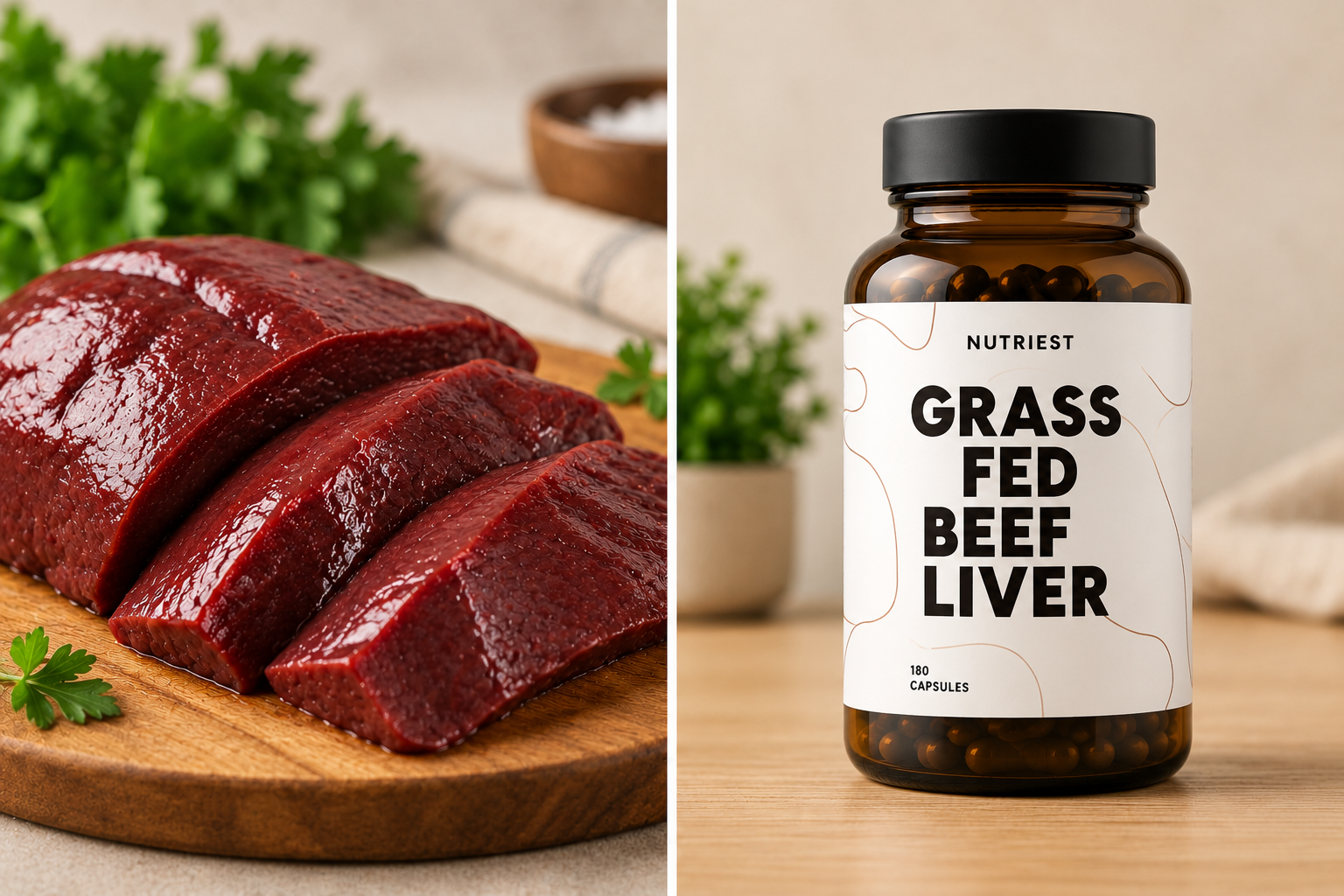
Whether liver comes from grass-fed cattle does not change the basic fact that it is beef liver, but sourcing can matter to consumers who care about farming methods, animal feed, organic certification, and how supplements are produced.
The nutrient content of animal products can vary according to species, diet, farming system, and other biological factors. It is therefore better to evaluate the actual nutritional information and product testing than to assume every grass-fed product has exactly the same nutrient profile.
Nutriest uses certified organic, grass fed beef liver in both its freeze-dried capsule and powder products. The products contain no synthetic fillers and are made from freeze-dried liver rather than isolated vitamins.
If you want liver in capsule form without preparing or tasting fresh organ meat, see the Grass Fed Desiccated Beef Liver Supplement.
For people who would rather mix liver into food or drinks instead of swallowing capsules, Nutriest also offers Organic Grass Fed Desiccated Beef Liver Powder.
You can also read Nutriest's guide to the benefits of beef liver supplements for more information about concentrated organ-meat products.
Who Should Avoid Eating Liver?
Vitamin A Intake
An 85 g serving of pan-fried beef liver contains around 6,582 mcg RAE of vitamin A. Note that the adult tolerable upper intake level for preformed vitamin A is 3,000 mcg per day. The NHS advises caution with frequent liver consumption because of its high vitamin A content.
Pregnant women need special care because excessive preformed vitamin A can harm fetal development.
Copper Toxicity
Beef liver is also extremely rich in copper. More specifically, 3 ounces provides about 12.4 mg, whereas the US adult upper intake level is 10 mg per day. Copper toxicity is uncommon in healthy people, but chronic excessive intake can cause gastrointestinal symptoms and liver damage.
Note that people with Wilson's disease are remarkably vulnerable.
Gout and Uric Acid
People with gout need to limit or avoid eating liver because organ meats are high in purines. Purines are broken down to uric acid, and elevated uric acid can contribute to gout attacks. Mayo Clinic recommends that people with gout avoid organ meats such as liver, kidney, and sweetbreads.
Dietary Cholesterol
Someone with high LDL cholesterol, cardiovascular disease, and/or another condition that requires a specific diet should discuss appropriate portions with a healthcare professional.
Allergic Reactions
People with beef allergies or alpha-gal syndrome should avoid bovine liver. The CDC specifically lists mammalian organ meat, including liver, among foods that can trigger allergic reactions in people with alpha-gal syndrome.
Conclusion
So, is ox liver the same as beef liver? Ox liver is bovine liver and falls within the broader category of beef liver. The main technical distinction is that ox traditionally refers to a type of adult cattle, whereas beef liver is the more general term.
When expertly prepared, fresh liver can have a tender texture and rich flavor and can form part of a balanced diet alongside vegetables, fruit, legumes, and grains.
Nutriest offers both a grass-fed beef liver capsule product and a grass-fed beef liver powder to give you more flexibility and get all the nutrients you need from liver.
Frequently Asked Questions
Is ox liver healthier than beef liver?
Ox liver is itself a type of beef liver. Nutritional differences between individual products may reflect the animal's age, diet, breed, farming conditions, and preparation more than the name ox versus beef.
Is ox liver good to eat?
Yes, for most people it can be a nutritious food in sensible portions. It provides high-quality protein and very high concentrations of vitamin A, vitamin B12, copper, riboflavin, choline, folate, and iron. You should avoid eating liver if you have gout, Wilson's disease, or a mammalian-meat allergy.
How do you cook ox liver so it is tender?
Thin and evenly sliced liver is easier to cook. Pat it dry, season it, and pair it with ingredients such as onions, butter or olive oil, and acidic flavors such as lemon juice or red wine vinegar.
How much beef liver should you eat?
There is no right frequency for everyone. Since liver supplies unusually large amounts of preformed vitamin A and copper, you shouldn’t consume large servings daily.