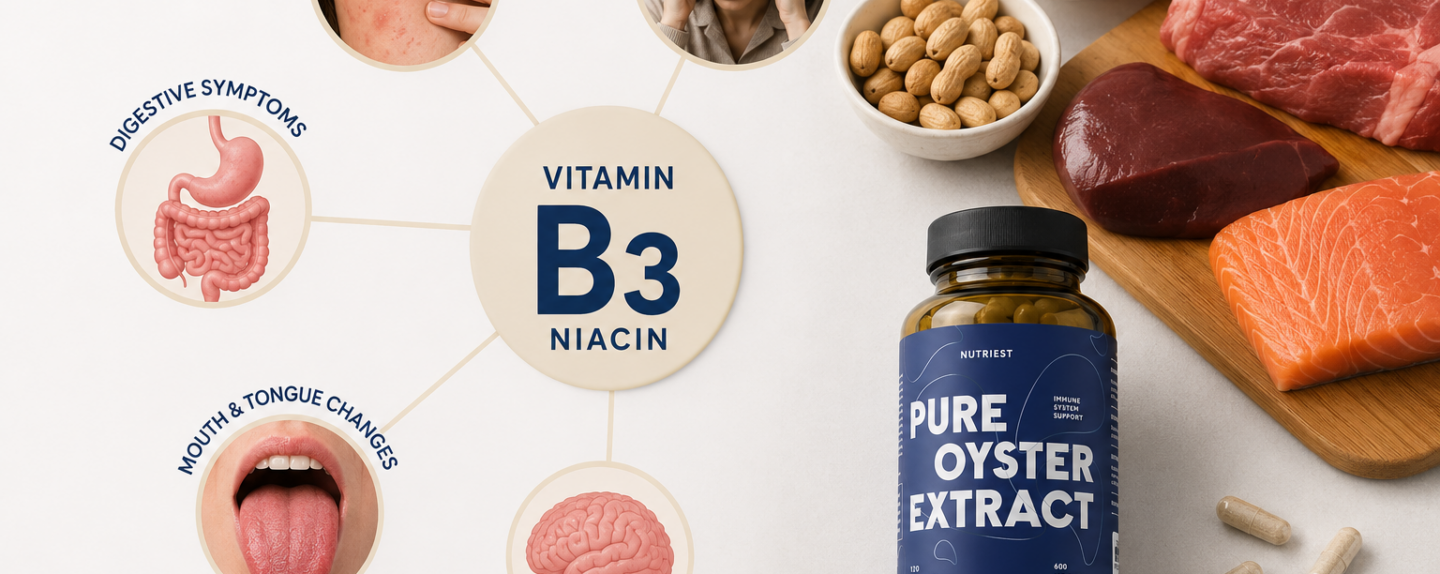
Vitamin B3 deficiency symptoms can start vaguely, where you might experience fatigue, poor appetite, headaches, and digestive discomfort. As the deficiency becomes more severe, it can progress to pellagra, which is a serious condition that affects the skin, digestive system, and nervous system.
Vitamin B3 (i.e., niacin) deficiency is not very common in people who eat a varied diet. However, it’s possible to see it in cases of severe undernutrition, poor absorption, certain diseases, and medications that interfere with niacin metabolism. Let’s go over what the symptoms look like, who is at risk, and how vitamin B3 status is assessed.
At a Glance
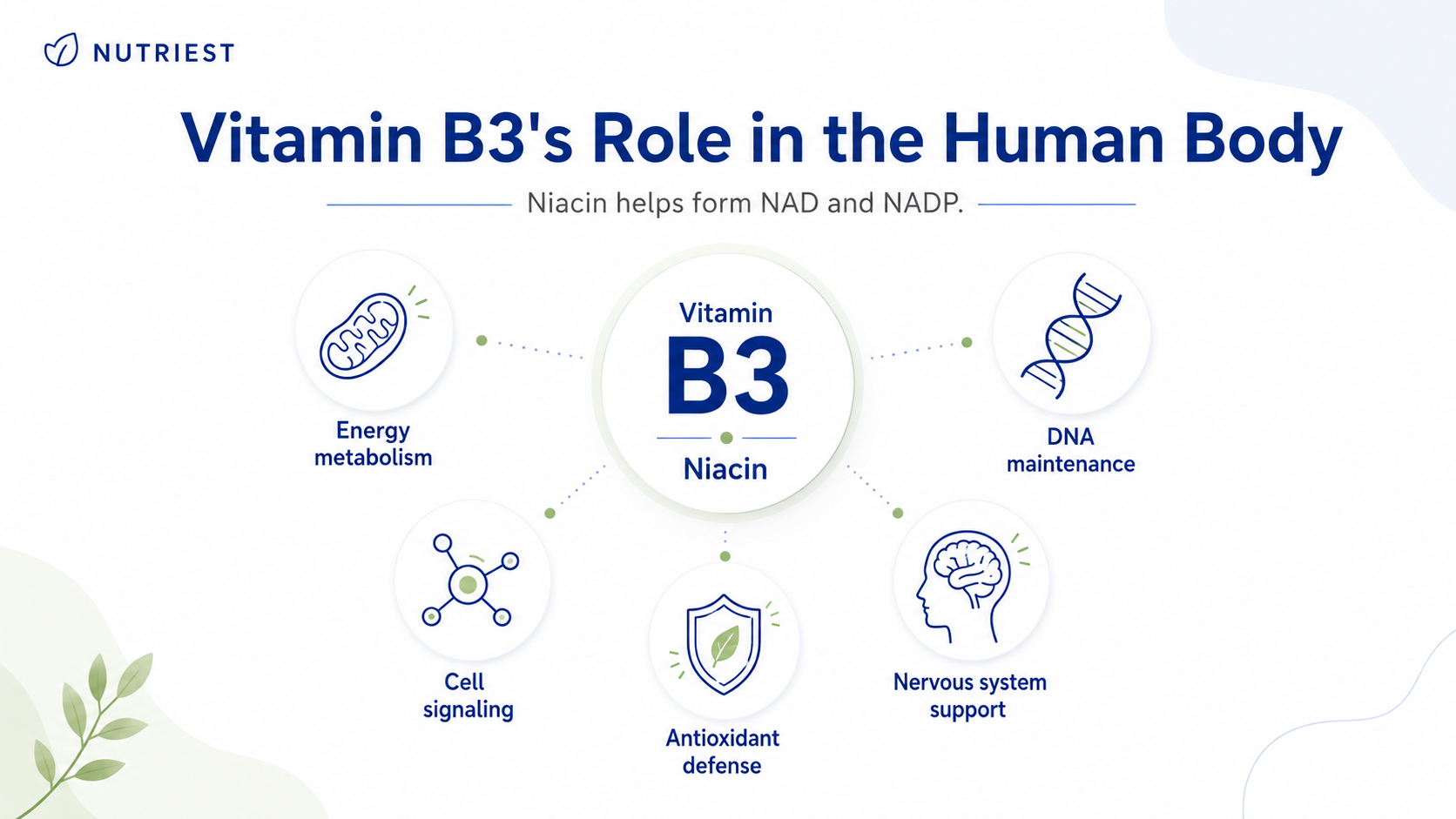
- Vitamin B3 is a water-soluble B vitamin that the human body uses to make NAD and NADP. These are coenzymes that support hundreds of reactions to produce energy, maintain DNA, signal cells, and neutralize oxidative stress.
- Severe vitamin B3 deficiency causes pellagra, which presents with dermatitis, diarrhea, and dementia. Doctors call these symptoms the “three Ds.”
Vitamin B3’s Role in the Human Body
Vitamin B3 is the broad name that we give to a number of related compounds, including nicotinic acid and nicotinamide. This vitamin belongs to the B complex family of water soluble vitamins.
When the body absorbs niacin, it converts it into nicotinamide adenine dinucleotide (NAD), which can also become NADP. According to the NIH Office of Dietary Supplements, the body has more than 400 enzymes that require NAD.
These compounds mediate the release of energy from carbohydrates, fats, and protein. NAD also preserves DNA integrity and cellular communication, whereas NADP contributes to processes such as fatty-acid synthesis and antioxidant defense.
The body can also produce vitamin B3 from tryptophan, which is an essential amino acid that’s found in protein. To give you a reference, we usually consider that 60 mg of tryptophan contains 1 mg of niacin.
Vitamin B3 Deficiency Symptoms
The early signs of deficiency are vague and not specific since a myriad of diseases can present with fatigue, headache, reduced appetite, weakness, and changes in mood.
As niacin deficiency symptoms progress, the combination of skin, gastrointestinal, mouth, and neurological changes leans the diagnosis more towards this condition.
| Symptom | What it has to do with vitamin B3 deficiency |
|---|---|
| Fatigue and weakness | Can occur as niacin status deteriorates. However, it’s highly nonspecific. |
| Loss of appetite | May occur as pellagra develops and can worsen poor nutrient intake. |
| Bright red or sore tongue | Inflammation of the mouth and tongue is linked to pellagra. |
| Nausea, vomiting, constipation, and diarrhea | Niacin deficiency can affect the digestive tract. |
| Photosensitive dermatitis | A rough and darkened rash on sun-exposed skin is a hallmark sign of pellagra. |
| Headache and mood changes | Depression, apathy, and headaches can occur in severe deficiency. |
| Confusion and memory problems | Advanced pellagra can affect cognition and behavior. |
Out of the symptoms we covered above, the dermatological presentation deserves special attention. You see, pellagra causes a symmetrical photosensitive rash that appears worse on areas that are exposed to the sun. Initially, the skin becomes red and then turns rough, thickened, scaly, and hyperpigmented.
Severe Niacin Deficiency Symptoms (Pellagra)
Pellagra is the clinical disease that originates from severe niacin deficiency or inadequate availability of its precursor (i.e., tryptophan).
The condition is traditionally remembered by the “three Ds”:
- Dermatitis
- Diarrhea
- Dementia
Unfortunately, there is a fourth D (Death), which is the inevitable result of untreated severe pellagra.
Neurological symptoms do not always start with dementia, as we see some patients with fatigue, apathy, depression, headache, poor memory, and general confusion.
The World Health Organization states that pellagra was historically due to diets very low in niacin and tryptophan. Today, severe malnutrition, malabsorption, and alcohol-related disease. Other causes include gastrointestinal disease, anorexia, excessive alcohol use, carcinoid syndrome, and certain medications.
Who Is at Higher Risk of Niacin Deficiency?
Most people who eat a varied diet that’s rich in protein are unlikely to become deficient. The risk increases when intake is very poor, absorption is impaired, or the body cannot efficiently convert tryptophan into niacin.
Higher-risk groups include people with:
- Severe undernutrition
- Anorexia or extremely restricted diets
- Alcohol use disorder
- Inflammatory bowel disease or other causes of malabsorption
- Liver cirrhosis
- HIV/AIDS
- Hartnup disease
- Carcinoid syndrome
Low intake of riboflavin, pyridoxine, and iron can also impair tryptophan-to-niacin conversion because the enzymes that are involved in this pathway depend on these nutrients. This means someone with poor nutrition may be deficient in several micronutrients at once.
Finally, tuberculosis medications (e.g., isoniazid and pyrazinamide) can interfere with pathways that produce niacin.
Vitamin B and the B Complex
As we mentioned before, niacin is a member of the vitamin B family and not an isolated nutrient that works on its own. The B complex consists of thiamin, riboflavin, niacin, pantothenic acid, pyridoxine, biotin, folate, and vitamin B12.
Pantothenic Acid, Thiamin, Riboflavin, Folate, and other B Vitamins
Although different B vitamins have different jobs, they commonly overlap in metabolism. Therefore, severe malnutrition can cause several deficiencies at once.
Thiamin deficiency causes beriberi (a dangerous neurological condition), and folate deficiency interferes with normal blood-cell and DNA production. Folic acid is the form commonly used in fortified foods and vitamin supplements.
Riboflavin and pyridoxine are especially relevant to niacin because sufficient amounts are essential for efficient conversion of tryptophan into vitamin B3.
Vitamin A, Vitamin C, Vitamin D, Vitamin E, and Vitamin K
Vitamin B3 and vitamin C (i.e., ascorbic acid) are water soluble vitamins. On the other hand, vitamin A, vitamin D, vitamin E, and vitamin K are fat soluble vitamins and are stored and metabolized differently.
- Vitamin A can come from retinol or carotenoids such as beta carotene.
- Vitamin D supports calcium metabolism.
- Vitamin E has antioxidant functions.
- Vitamin K is important for normal blood clotting.
Minerals such as calcium, magnesium, iodine, iron, and other trace minerals are different micronutrients. Good health depends on getting these different vitamins and minerals in appropriate amounts rather than consuming as much as possible.
How Is Vitamin B3 Deficiency Diagnosed?
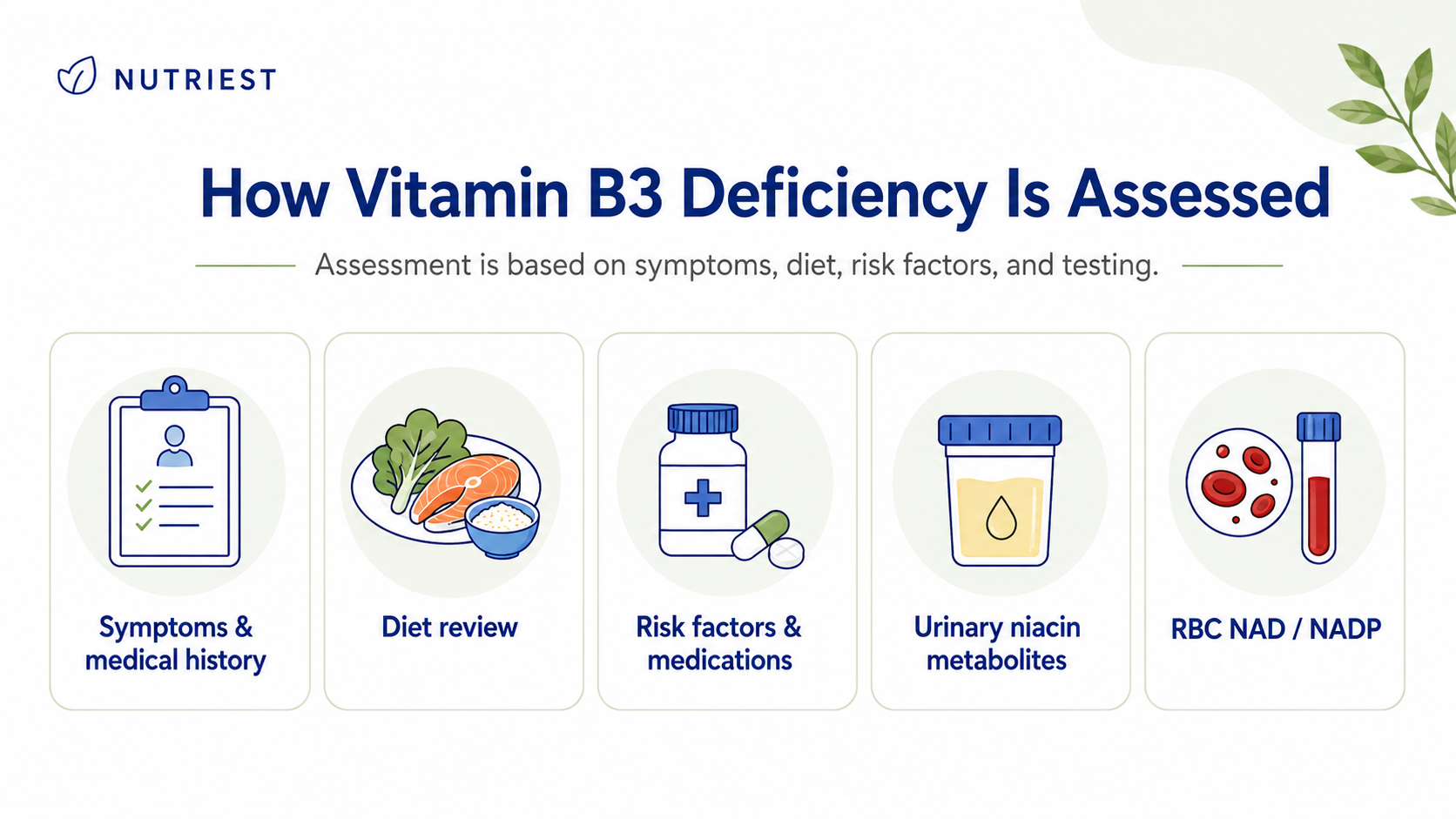
A healthcare professional will perform a comprehensive assessment to confidently diagnose vitamin B3 deficiency. After asking you about your symptoms, they will review your lifestyle habits, including diet, alcohol intake, digestion, any medications you take, and any prior medical diagnoses.
Unfortunately, blood niacin levels are not considered reliable indicators of niacin status. The NIH describes urinary excretion of two niacin metabolites (e.g., N1-methyl-nicotinamide and N1-methyl-2-pyridone-5-carboxamide) as the most sensitive and reliable biochemical testing. Specialized tests can also examine NAD and NADP in blood cells.
These tests are not always available, so the diagnosis of pellagra relies heavily on the clinical picture, dietary history, and response to appropriate treatment. The Merck Manual notes that urinary niacin metabolites can help when laboratory confirmation is necessary.
How Much Niacin Do You Need for Good Health?
Niacin requirements are expressed as niacin equivalents (NE) because the body receives niacin directly from foods and can also produce some from dietary tryptophan.
The US Dietary Reference Intakes use the following recommended amounts:
| Life stage | Recommended niacin intake |
|---|---|
| Adult men | 16 mg NE/day |
| Adult women | 14 mg NE/day |
| Pregnancy | 18 mg NE/day |
| Breastfeeding | 17 mg NE/day |
European recommendations work a little differently. For example, the European Food Safety Authority sets its Population Reference Intake at 1.6 mg NE per megajoule of energy, which is equivalent to around 6.6 mg NE per 1,000 kcal.
Recommended intakes are intended to prevent deficiencies in healthy people. However, individual needs can differ across life stages and with certain health conditions.
Sources of Vitamin B3
Niacin occurs naturally in many foods and as a metabolite of tryptophan with the help of the liver.
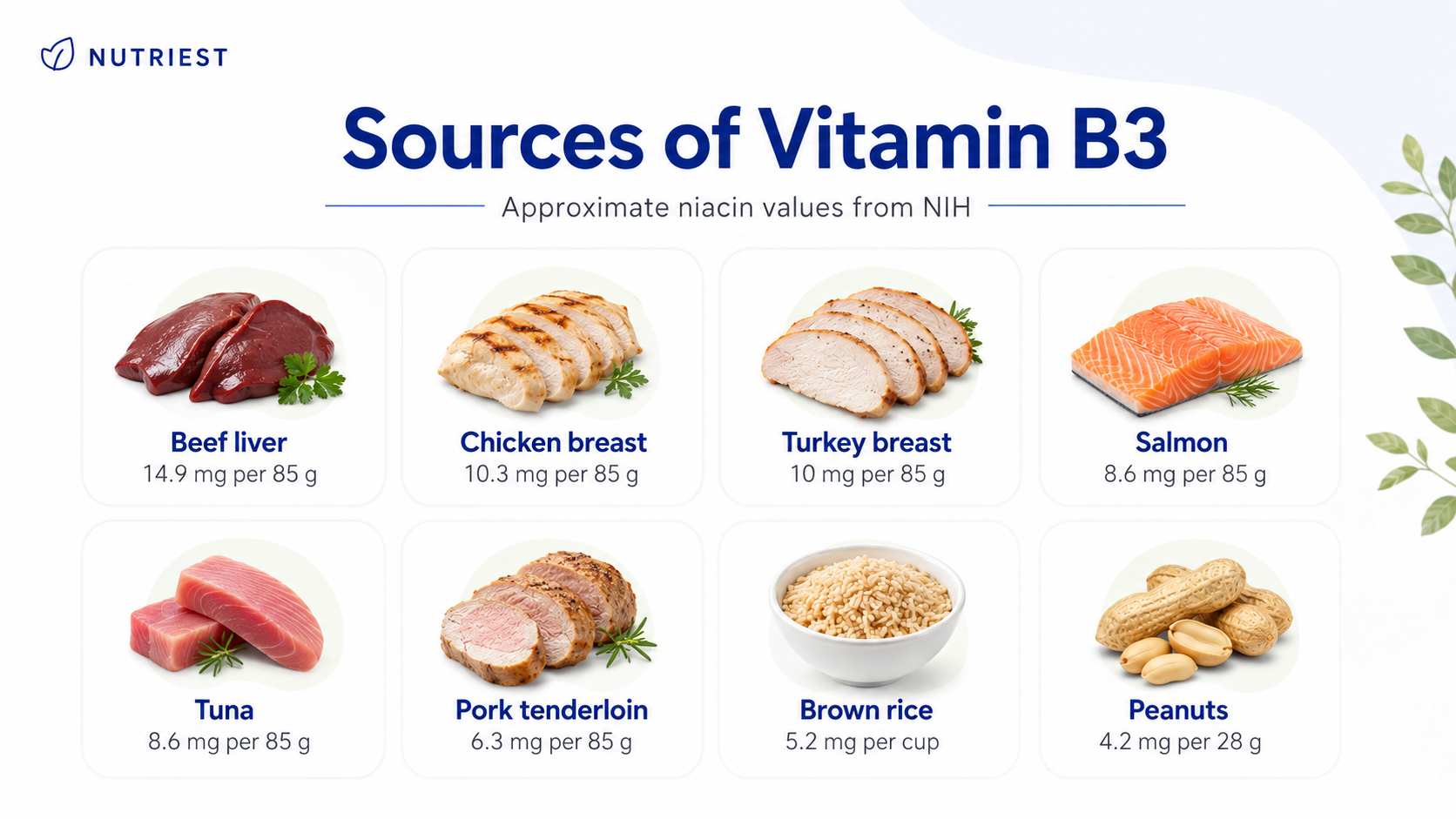
Approximate values listed by the NIH include:
- Beef liver: 14.9 mg per 85 g
- Chicken breast: 10.3 mg per 85 g
- Turkey breast: 10 mg per 85 g
- Cooked salmon: 8.6 mg per 85 g
- Canned light tuna: 8.6 mg per 85 g
- Pork tenderloin: 6.3 mg per 85 g
- Lean ground beef: 5.8 mg per 85 g
- Cooked brown rice: 5.2 mg per cup
- Dry-roasted peanuts: 4.2 mg per 28 g
The food values are not always the same since they depend on the exact product, serving size, and cooking methods. USDA FoodData Central provides nutrient data for individual foods, whereas the NIH values above provide a useful comparison of common sources.
Plant sources such as grains, nuts, legumes, and vegetables are also of value. However, naturally occurring niacin in some grains is bound to other compounds and is less bioavailable.
Milk products and other dairy products have relatively small amounts of preformed niacin. However, since these products provide tryptophan, the liver is able to produce niacin. This shows us why the nutritional contribution of certain foods cannot always be judged from the amount of one vitamin alone.
Organ meats are nutrient-dense and provide B vitamins, protein, iron, copper, and selenium.
You can read more in Nutriest’s guide to nutrients in organ meats and their cellular function.
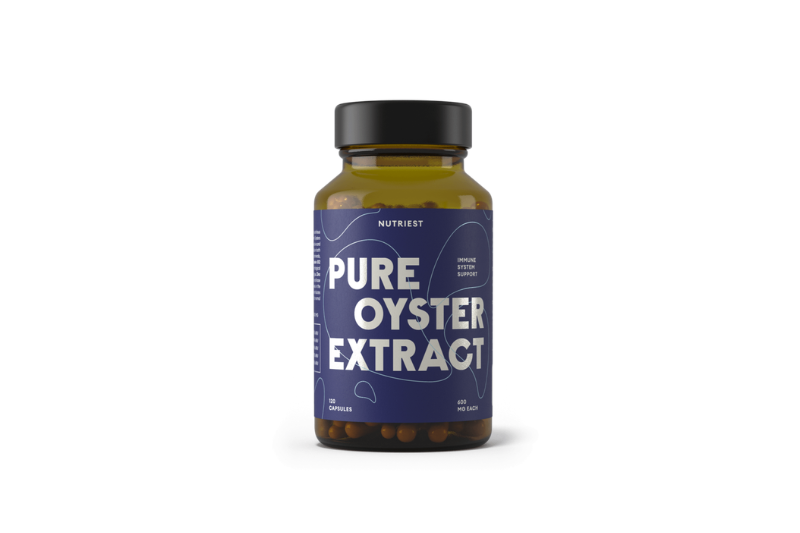
Oysters are another whole-food source of multiple vitamins and trace minerals. This guide explains how oyster extract contains vitamin B3, vitamin B12, vitamin D, zinc, selenium, and copper.
If you do not regularly consume oysters, Nutriest Pure Oyster Extract provides freeze-dried oyster meat in capsule form, not just an isolated dose of niacin.
Explore Nutriest Pure Oyster Extract
Vitamin B3 Supplements: When Do They Make Sense?
A healthy diet should provide most vitamins and minerals. However, supplements can be useful when a deficiency is diagnosed, or when absorption and intake cannot meet requirements.
Niacin supplements usually contain nicotinic acid or nicotinamide. The former can cause flushing, itching, burning, and tingling, whereas nicotinamide is usually preferred for the treatment of pellagra because it does not cause the same flushing reaction.
At this point, it’s important to note vitamin toxicity. High-dose nicotinic acid can cause:
- Gastrointestinal problems.
- Disturbed glucose control.
- Low blood pressure.
- Liver damage.
The NIH adult upper limit of 35 mg/day applies to supplemental niacin in healthy people. However, medically supervised therapeutic doses can be much higher.
Of course, this limit does not mean that eating foods naturally high in niacin is dangerous. It applies to supplemental niacin because concentrated nicotinic acid and nicotinamide behave differently from the small amounts consumed naturally as part of a varied diet.
If you are interested in learning more about how to optimize your general nutrient status, check out this guide on synthetic versus whole-food supplements.
Conclusion
Vitamin B3 deficiency symptoms range from vague fatigue and appetite changes to the severe signs of pellagra. A photosensitive rash, persistent gastrointestinal symptoms, and neurological changes are the features that should raise the greatest concern, especially in someone with malnutrition, malabsorption, alcohol-related disease, and another strong risk factor.
Niacin is widely available in food, so most people can prevent deficiency with enough protein and a varied mix of meat, fish, organ meats, grains, legumes, nuts, and vegetables.
If you are into a more holistic approach to boost your micronutrients in your diet, take a look at Nutriest Pure Oyster Extract. It should not be used as a substitute for medical treatment of suspected pellagra or another clinically significant deficiency.
Frequently Asked Questions (FAQs)
1. What are the first symptoms of vitamin B3 deficiency?
Early vitamin B3 deficiency symptoms present with fatigue, weakness, headache, poor appetite, mouth or tongue inflammation, digestive problems, and changes in mood. These symptoms are nonspecific, so they cannot confirm niacin deficiency by themselves.
2. What are the three main niacin deficiency symptoms?
The three classic symptoms of severe niacin deficiency are dermatitis, diarrhea, and dementia. Together, they form the “three Ds” of pellagra. Dermatitis is characteristically photosensitive, whereas neurological changes can range from apathy and confusion to severe cognitive and behavioral symptoms.
3. What foods contain the most vitamin B3?
Beef liver, poultry, turkey, salmon, tuna, pork, and beef are rich sources. Peanuts, grains, fortified cereals, rice, seeds, legumes, and certain vegetables should also be considered. Protein-rich foods additionally provide tryptophan, which the human body can partly convert into niacin.
4. Can I take niacin supplements every day?
Niacin can be taken daily when the dose is appropriate, but high-dose supplements are not harmless. Nicotinic acid can cause flushing and, at much higher doses, liver and metabolic problems. If you suspect a deficiency or are considering a high-dose niacin supplement, speak with a healthcare professional first.