Written by Dr. Juan Carlos Cassano
Linkedin Profile: Juan Carlos Cassano
In recent years there has been a global shift towards less severe anaemia, with the last decrease amongst males, slower rates of progress are found in female and child populations (1).
In 2024, it was estimated that one in four people suffered from anaemia, that’s 2 billion people, with one in three women and almost 40% of all children suffering from anaemia. Iron tablets and other oral iron supplements are often recommended to help those with low iron levels, yet dietary sources remain a critical factor.
Iron deficiency is still the main cause of anaemia, which can be corrected through a modification of diet (2).
The Vital Role of Iron in the Body
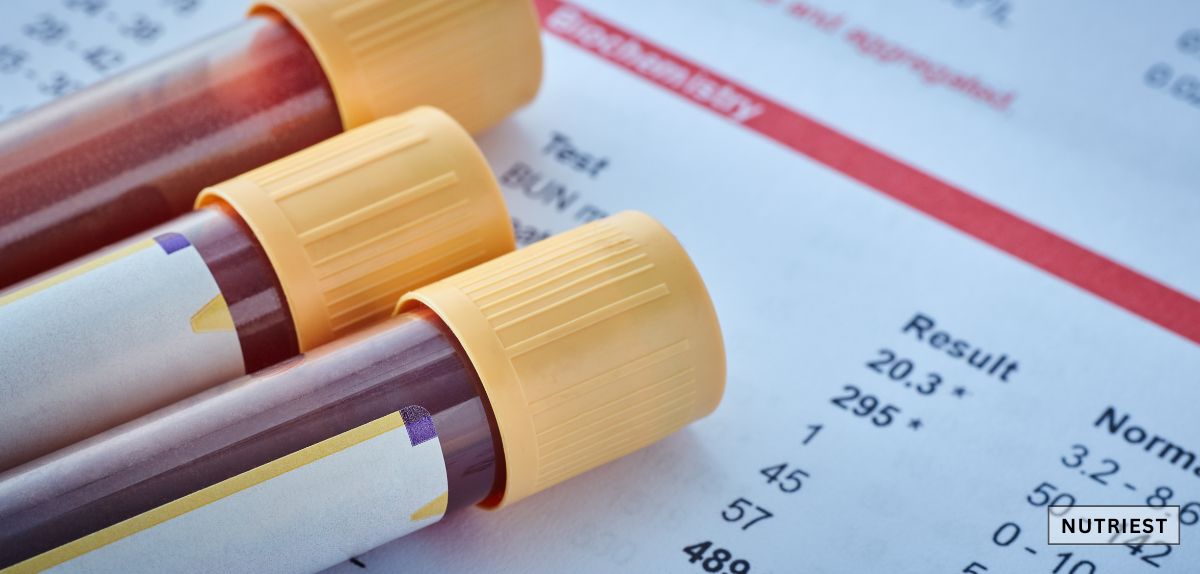
Iron is a vital mineral essential for numerous bodily functions, including oxygen transport, DNA synthesis, and energy production. In particular, iron is vital for the prevention of anaemia, which is a disease characterised by the lack of iron in our blood.
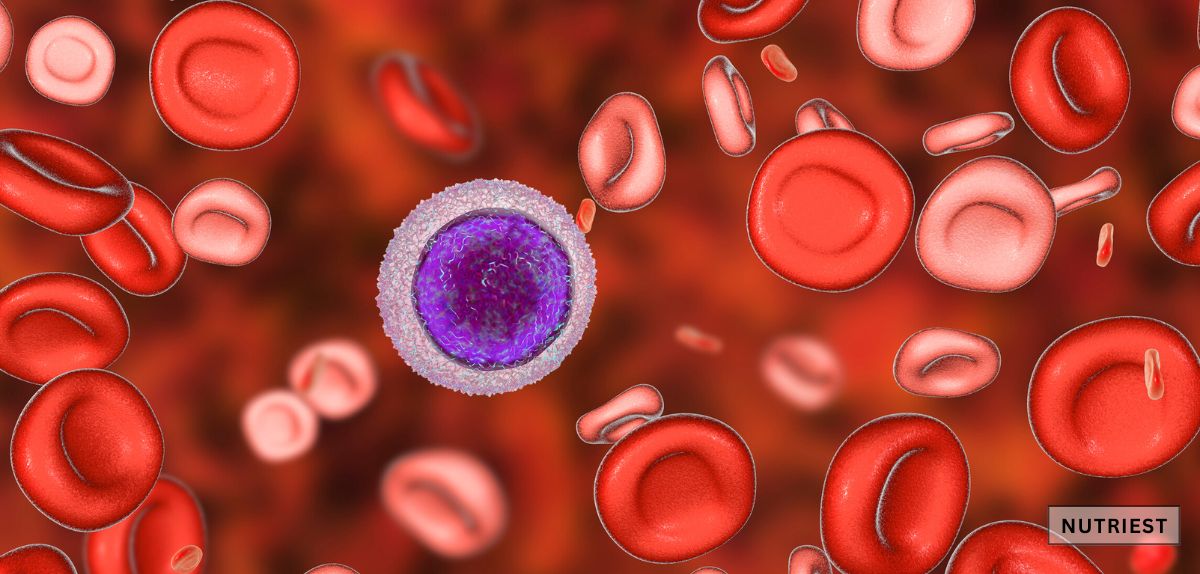
Iron is used to create a protein called haemoglobin, which stands for “haeme” and “globin”. This protein, (or globin) in our blood gives it its red colour, because it contains a haeme group which contains iron.
It is haemoglobin that carries oxygen from our lungs to the heart and circulates around our body to provide oxygen to our cells and tissues to produce energy. This is why iron is considered a vital nutrient. Without it, we would cease to exist.
Iron Deficiency and Modern Diets

The lack of iron in blood, call iron deficiency anaemia can reflect a lack of iron in our diets, a too common occurrence in this day and age.
Plant-based diets, and in particular vegetarian diets, have been shown to decrease the incidence of several health conditions including ischemic heart disease, cancer and diabetes. However, plant-based eaters are at a high risk of developing iron and vitamin b-12 deficiency.
Alongside iron-rich organ foods, a beef brain supplement provides naturally occurring phospholipids and fat-soluble nutrients that complement a whole-food, organ-based approach to nutrition.
The risk of iron deficiency is related to both inadequate iron intake and low bioavailability from plant foods (3) which is why most people are advised to take iron supplements to improve their iron levels.
The Difference Between Heme and Non-Heme Iron
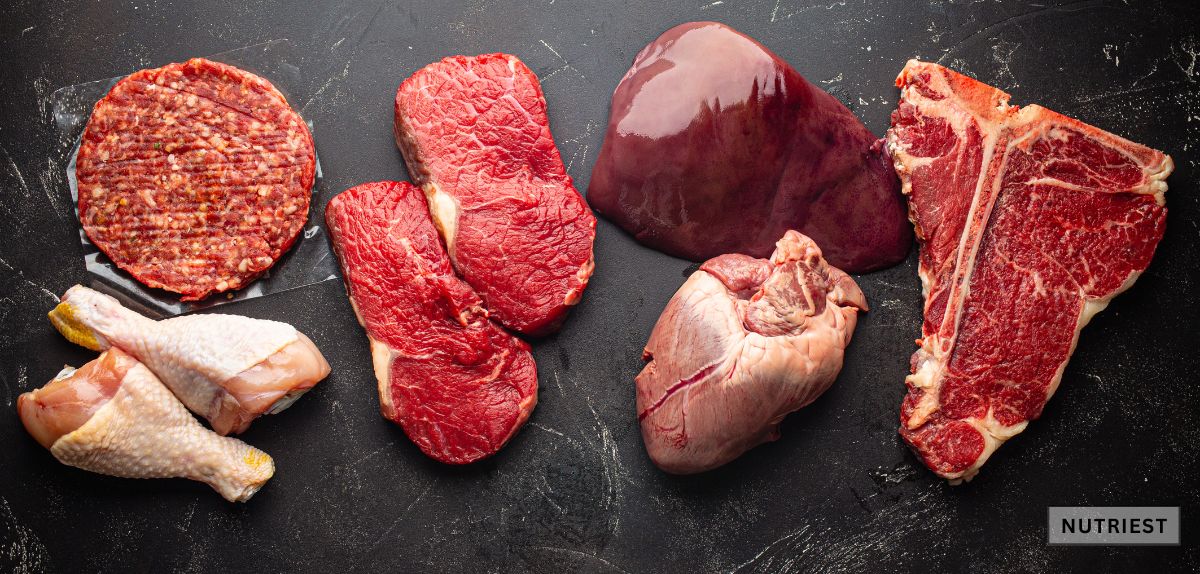
Dietary iron exists in two primary forms: heme and non-heme iron. Heme iron is found predominantly in animal products like meat, poultry, and seafood, whilst non-heme iron is a plant-based iron present in foods such as beans, nuts, dark chocolate, legumes, and spinach (4).
Notably, heme iron is more bioavailable than non-heme iron (4). This means that the body absorbs heme iron more efficiently.
Approximately 25% to 35% of dietary heme iron is absorbed by the body, whereas non-heme iron absorption rates are much lower, often less than 17% (5).
Get iron in its most effective form. Nutriest offers carefully crafted beef organ supplements designed for optimal absorption and the best results.
Iron Absorption Rates in Different Diets
The bioavailability of iron from mixed diets—including substantial amounts of meat, seafood, and vitamin C—is estimated to be around 14% to 18%.
In contrast, plant-based eaters, which rely solely on non-heme iron sources, have a lower bioavailability, estimated between 5% to 12% (4).
It is no surprise then that plant-based eaters are found to have higher levels of iron deficiency anaemia (3).
The higher absorption rate of heme iron is attributed to its chemical structure, which allows it to be absorbed intact into the intestinal cells without requiring modification.
Non-heme iron, however, is affected by the presence of various nutrients by various dietary factors that can either enhance or inhibit its absorption (6).
Polyphenols, phytates, calcium, and specific proteins are known to decrease iron absorption, while ascorbic acid, animal tissues, and some other proteins may improve the absorption (7).
Because iron is absorbed in the gut, it also makes sense to support your digestive health while correcting a deficiency. A high-quality probiotic complex can help maintain a balanced microbiome, which may in turn support comfortable iron absorption when you increase your intake.
Beef Blood: A Superior Source of Heme Iron
Given its superior bioavailability, incorporating heme iron from animal sources into the diet is particularly beneficial for individuals at risk of iron deficiency.
Among animal-based sources, beef blood stands out as probably the best iron supplement for anemia because of its rich bioavailability of heme iron.
Although it is known that organ meats and meats contain high levels of heme iron, several studies have shown that beef blood contains the highest level of heme iron of all known animal products.
Other nutrient-dense organs, such as liver and kidney, also provide meaningful amounts of heme iron alongside B vitamins and trace minerals. For those who prefer a convenient option, beef kidney powder can offer a concentrated way to support iron intake in addition to beef blood products.
These organ foods also deliver rich nutritional support that goes beyond iron alone. Exploring the core benefits of beef organs can offer insight into why they’ve remained valued in traditional diets.
Beef blood products in particular contain higher concentrations of heme iron compared to muscle and organ meats.
For example, Valenzuela and colleagues (8) demonstrated that beef blood contained the highest amount of total iron and heme iron (85.5%) versus spleen (72.8%), meat (64%), and liver (13.6%).
Although beef blood provides the highest levels of heme iron, bovine spleen is also a rich and concentrated source of bioavailable iron. A high-quality beef spleen supplement can therefore be a practical way to increase heme iron intake for individuals who do not regularly consume organ meats.
Kongkachuichai and colleagues (9) also compared the amount of heme iron content in animal products, and found that liver was a great source of heme iron. However, blood was found once again to contain the greatest amount of heme iron.
This makes beef blood a potent dietary option for enhancing iron intake, especially in populations susceptible to iron deficiency anemia.
While beef blood offers exceptional iron bioavailability, complementary organ meats can also support overall nutrient status in those prone to deficiency. A high-quality beef kidney supplement provides additional bioavailable iron, vitamin B12, selenium, and enzymes that assist with energy production and healthy red blood cell formation.
Nutriest delivers grass-fed, nutrient-rich beef organ supplements for optimal iron absorption and red blood cell production—backed by regenerative farming. Get yours now! Many people also combine beef blood with a beef pancreas supplement
to support digestive enzyme function and overall nutrient absorption.
Some individuals also include other organ-based supplements in their routines to support wider nutritional needs. A carefully sourced beef thyroid supplement can be paired with iron-rich options to support balanced wellness.
Conclusion
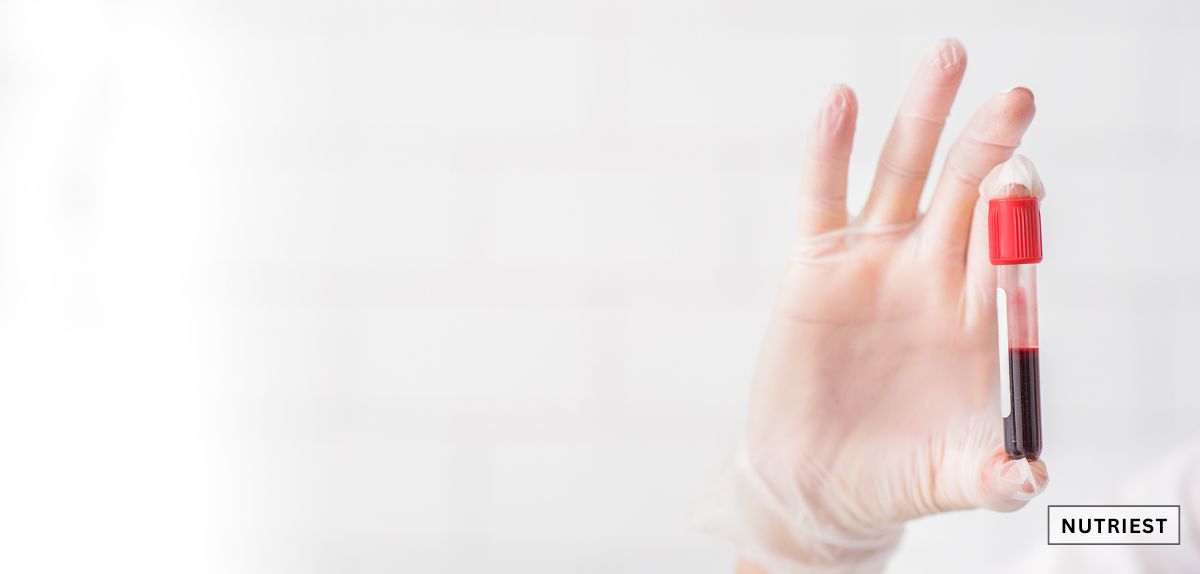
In summary, the superior bioavailability of heme iron, especially from sources like beef blood, underscores its importance in dietary planning.
Incorporating such iron-rich foods can significantly improve iron status and prevent deficiency-related health issues.
FAQ
How much iron do I need daily?
The recommended daily intake varies based on age, gender, and health status. On average, men need 8 mg of iron per day, while premenopausal women require 18 mg due to higher iron loss. Pregnant women may need up to 27 mg to support making red blood cells for both themselves and their baby.
What is the best iron supplement for iron deficiency?
The best iron supplements depend on individual needs. Heme iron sources, such as beef blood, provide highly bioavailable elemental iron, making them more effective than non-heme options. Oral iron supplementation like liquid iron supplements can also help those with absorption issues.
For a whole-food organ option, beef heart powder offers heme iron together with naturally occurring B vitamins and co-factors from heart tissue that support healthy red blood cell formation and cardiovascular function.
When digestive efficiency is compromised, nutrient absorption can suffer, which is why some people consider exploring ox bile benefits as a way to support better uptake of key nutrients, including minerals.
Can I get too much iron?
Yes, too much iron can lead to toxicity, causing digestive issues, oxidative stress, and organ damage. It’s essential to follow medical guidance when using oral iron supplementation to avoid excessive intake.