This post is created by Nutriest’s content team and is based on reputable sources, including published research and nutritional guidelines.
Long before heart health screening, wearable trackers and pharmaceutical interventions existed, heart health was managed in a far more intuitive way. Rooted firmly in the dietary practices of our ancestors was the beef heart. Unlike modern times, it was never discarded but was saved for the strongest hunters, elders, and those recovering from illness.
Our ancestors relied on a wisdom largely discarded by modern medicine - the consumption of organ meats of powerful animals had an effect on human health. Through lived experience, they observed that eating organ meat increased strength, vitality, and endurance. We bring you all the benefits of eating bovine heart, and show you how you can safely adopt the wisdom of the ancients into your diet.
Quick Overview
Beef heart is a nutrient-dense organ that provides high-quality protein, essential vitamins, and key minerals that support heart health, muscle function, and energy levels. As lean meat rich in B vitamins, iron, and omega-3 fatty acids, the nutritional benefits of eating grass-fed beef heart extend beyond traditional cuts of meat. It is a powerful, natural way to nurture heart health.
Table of Contents
- What is beef heart?
- Why is beef heart a good choice?
- Beef Heart vs Liver vs Steak
- Conclusion
- FAQs: Beef heart benefits
What is beef heart?
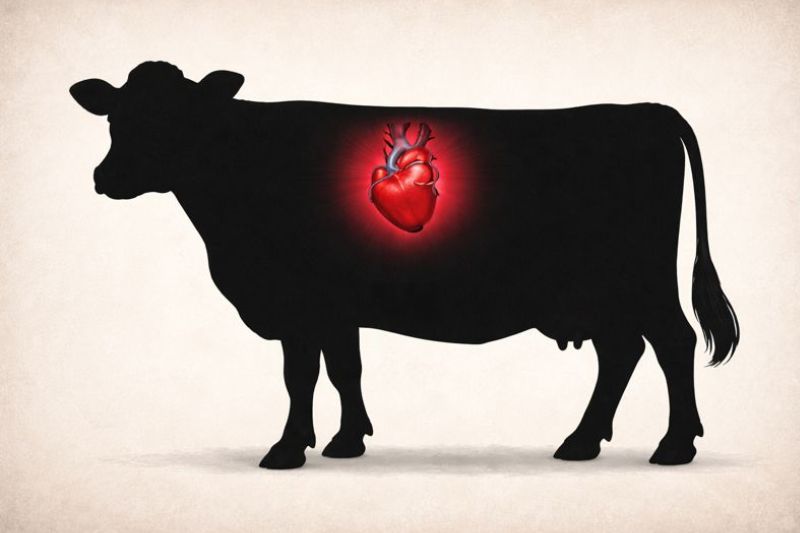
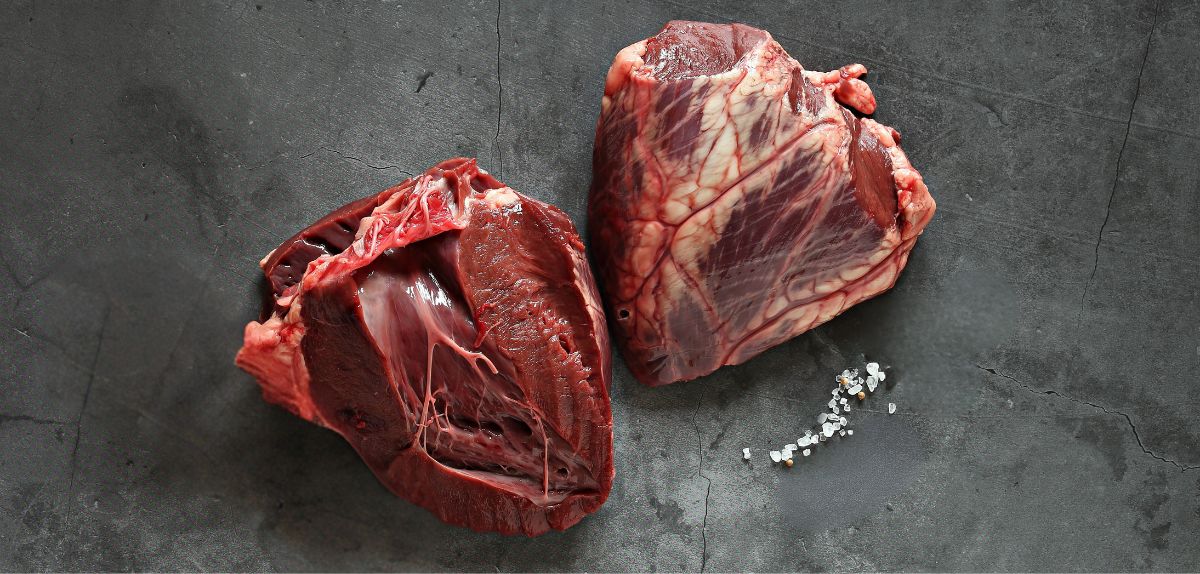
Beef heart is the cardiac organ of a cow, making it a unique combination of muscle meat and organ meat. It has a firm and unique texture similar to a very lean steak. Bovine hearts can weigh between 1.5 - 3kgs, depending on the health of the animal. It has a rich, slightly gamey taste - much like beef liver.
A skilled butcher can prepare raw beef heart to look like steak by removing the outer membrane and other tendons. This leaves only the dark red meat for consumption. The most popular way to cook beef heart includes stews or slow-cooked roast, which is designed to tenderize the meat. Burgers are also a good choice for this kind of meat.
Can’t get past the idea of eating beef heart? You don’t have to. Experience all the benefits of grass-fed organ meat with our beef heart supplement. It contains the best of both worlds with 80% heart and 20% liver, boosting the benefits you receive.
Why is beef heart a good choice?
Much like other organ meats that are a rich source of essential nutrients, grass-fed beef provides an outstanding nutritional profile. But before we discuss this, it’s worth dealing with the idea that despite its health benefits, red meat contributes to heart disease. These ideas have been invalidated by communities that exist mainly on organ meat. The Inuit, the Chukotka, the Masai, the Sioux, and the Brazilian Guchos are just some of the tribes that eat mainly meat, and yet have excellent health. [1]
These tribes were the subject of medical investigation, and it revealed interesting facts. Despite not eating high-fibre diets, the tribes had a much lower incidence of heart disease and lower triglyceride levels (fat levels in the blood). So, everything in moderation, but there’s no reason why everyone can’t enjoy the benefits of beef heart.
Superior protein and amino acid profile
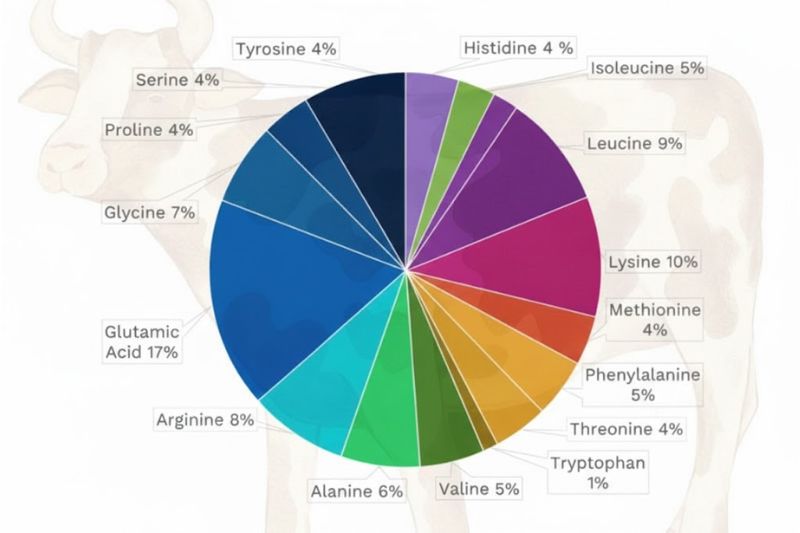
Beef heart has approximately 24-26 grams of protein per 100g of cooked meat.
Related guide: whey isolate vs whey protein.
As a protein source, it provides nine essential amino acids (building blocks) required for muscle growth, healthy skin, and cardiovascular health, and many non-essential amino acids.[3]
- Histidine - supports the production of red blood cells.
- Isoleucine - enhances muscle energy and endurance.
- Leucine - stimulates muscle mass and muscle health..
- Lysine - aids collagen formation and tissue repair.
- Methionine - supports liver detoxification and protects cells.
- Phenylalanine - enhances neurotransmitter production and is a precursor to dopamine.
- Threonine - aids in protecting the lining of the intestinal tract.
- Tryptophan - regulates mood and sleep cycles.
- Valine - helps prevent muscle breakdown during stress and intense exercise.
Healthy fat content and fatty acid profile
Beef heart has modest amounts of saturated fat (7%) and cholesterol compared with traditional cuts of meat. When sourced from organic grass-fed cattle, it also provides a rich omega-3 fatty acid profile and an improved omega-6 to omega-3 ratio.
Meat with a high omega-3 ratio offers major heart, eye, brain and skin health benefits. They actually lower your triglyceride levels and raise HDL cholesterol (that’s the good stuff). Omega-3 is also known to reduce inflammation and reduce the risk of blood clots. [2]
Rich vitamin and mineral profile
Beef heart delivers a good dose of the body’s major vitamins, especially iron, copper, and the B Vitamins. These values are based on a portion size of 150g (raw meat).
| Vitamin B | Other Vitamins | Essential Minerals |
|---|---|---|
| B12 - 356% of RDA* | Vitamin C - 2% of RDA | Iron - 24% RDA |
| B2 - 70% of RDA | Vitamin E - 1% of RDA | Copper - 44% RDA |
| B3 - 47% of RDA | Selenium - 40% RDA | |
| B5 - 36% of RDA | Phosphorus - 17% RDA | |
| B1 - 20% of RDA | Zinc - 15% RDA |
* RDA (Recommended Daily Allowance) [4]
Low iron levels are one of the top reasons people turn to organ meats like beef liver and heart. Learn how you can spot the signs of low iron by examining your eyes, and what you can do about it. 👉 Signs of low iron: The eyes tell the tale.
Co-enzyme Q10 (CoQ10)
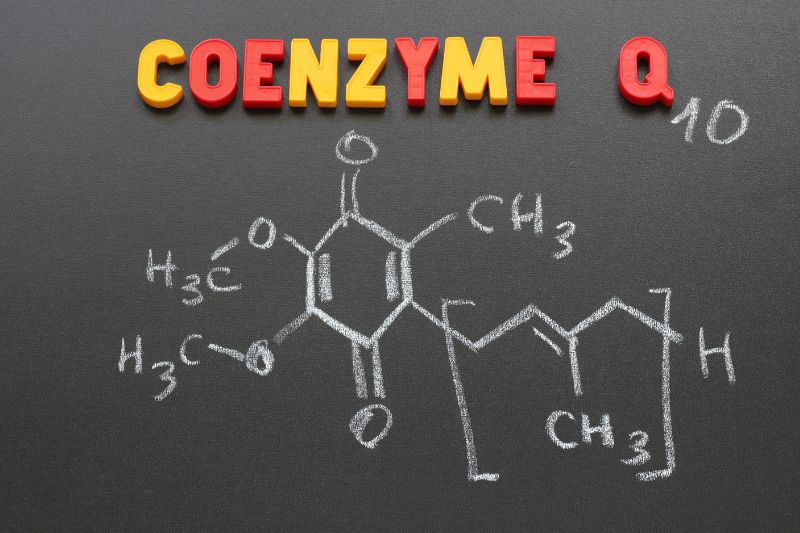
Coezyme10 is a vitamin-like compound (called an antioxidant) that is essential for cellular energy production. Antioxidants also help protect the body against free radical damage. CoQ10 is known as a mitochondrial powerhouse, vital for generating ATP (energy) in human cells.
In 100g of beef heart, you find ~11.3 mg of coenzyme Q10, with only pork heart and chicken liver having higher concentrations. The average diet yields around 3-6mg of CoQ10, and is considered insufficient - especially as you get older. This vital nutrient has shown efficacy in the following conditions: [5]
- Heart conditions - While data seems mixed on its effectiveness for heart disease, CoQ10 has the capability to lower blood pressure and has been shown to help people with congestive heart failure symptoms.
- Diabetes - Some studies have shown that CoQ10 helps to manage cholesterol in people with diabetes.
- Migraines - Research has reported that there is some success in reducing the frequency and severity of migraine headaches in sufferers. This is mainly due to its antioxidant and anti-inflammatory effects.
Beef Heart vs Liver vs Steak
While traditional steak is still a firm favorite with people, it doesn’t match the nutrient density of organ meat - especially that of the heart and liver. If you’re curious about how they stack up, here are the results.
| Per 100g | Heart | Liver | Steak |
|---|---|---|---|
| Protein | 26g/100g | 24g/100g | 27g/100g |
| Fat | 4g | 5g | 6–8g |
| Coenzyme Q10 | High (11.3mg) | Moderate (3–4mg) | Low (3mg) |
| Vitamin B12 | >350% RDA | Up to 3400% RDA | 60% RDA |
| Iron | Up to 6.8mg | Up to 6.5mg | Up to 3.2mg |
| Taste profile | Mild, like lean steak | Strong, gamey taste | Classic beefy flavor |
| Best for | Heart health and stamina | Blood health and immunity | Muscle building |
While grass-fed beef is nutrient-dense, certain individuals should be aware of the risks associated with excessive intake of red meat. Those suffering from gout should be cautious about the high level of purines in the meat, and those with hemochromatosis (iron overload) should know that their iron levels will be affected by eating heart, liver, and steak meat.
Beef heart supplements: A popular alternative to eating organ meat
For many, the idea of eating organ meat prevents them from pursuing the idea, and fortunately, there is an alternative. Organ meat supplements provide a way to increase your intake while steering clear of preparing and cooking bovine heart. The best organ meat supplements are made using a freeze-dried method that retains all the goodness of the meat and has no additives, GMOs, or antibiotics.
Fuel your body naturally. Why settle for synthetic supplements when you can get bioavailable CoQ10, B12, and Heme Iron from nature’s most concentrated source? Nutriest products come from grass-fed cattle, giving your body the clean nutrition it deserves. 👉 Boost your vitality with our ultimate organ complex, which contains the heart, liver, kidney, pancreas, spleen, and lungs.
Conclusion
Our ancestors knew something about the benefits of eating beef heart that we have lost in modern times. But this is not just ancient knowledge, as research has shown. Today, tribes all over the world still eat bovine organs as their main source of nutrition, and they’re thriving as a result.
The benefits are well-documented and include increased stamina, cardiovascular health, vitality, and well-functioning mitochondria (important for energy). By reintroducing heart meat into the modern diet, we are not going backwards; we are integrating time-tested nutritional intelligence.
FAQs: Beef heart benefits
1. Is beef heart safe for eating?
Yes. Beef heart is safe for human consumption and highly nutritious. It is packed with iron, zinc, vitamins, and coenzyme Q10 (CoQ10), making it an excellent choice for optimal immune function and energy production. It is also a good tonic for nervous system health. Buy beef heart products from local farms, butchers, and reputable online meat stores. A fresh heart should have a deep red colour and a clean odor. Any meat that has a pungent smell should be avoided.
2. How often can you eat beef heart?
Most people can eat beef heart around 1-2 times a week. This will allow you to get the benefits without overdoing nutrients like cholesterol and purines. Those with diagnosed cardiovascular risks or gout should limit their intake unless cleared by their healthcare provider.
3. What is the most nutritious beef organ?
Beef liver (sometimes called offal) is considered the most nutrient-dense organ meat, with the beef heart a close second. Beef liver is packed in vitamins and minerals, making it an excellent choice; however, some people don’t like the taste. The closest alternative is beef heart, which is similar to steak in texture and taste.
4. What is the best way to cook beef heart?
Beef heart is a rich, lean meat, making it ideal for a beef heart stew. You can do this by cutting the meat into cubes and sauteing it with onion and garlic. Add vegetables and beef stock. If you prefer, you can just use the meat and stock, without any other ingredients. Season as required, and simmer in a slow cooker until the meat is tender (2-3 hours).
References”