This post is created by Nutriest’s content team, and is based on the latest publications and regulatory guidelines.
Nutritional standards are always changing. One day, eating more than two eggs a week is basically a heart attack waiting to happen, and the next, they’re critical for life. Then avocados were struck off diets, only to find their way back as a superfood. Protein powders are going through the same evolution.
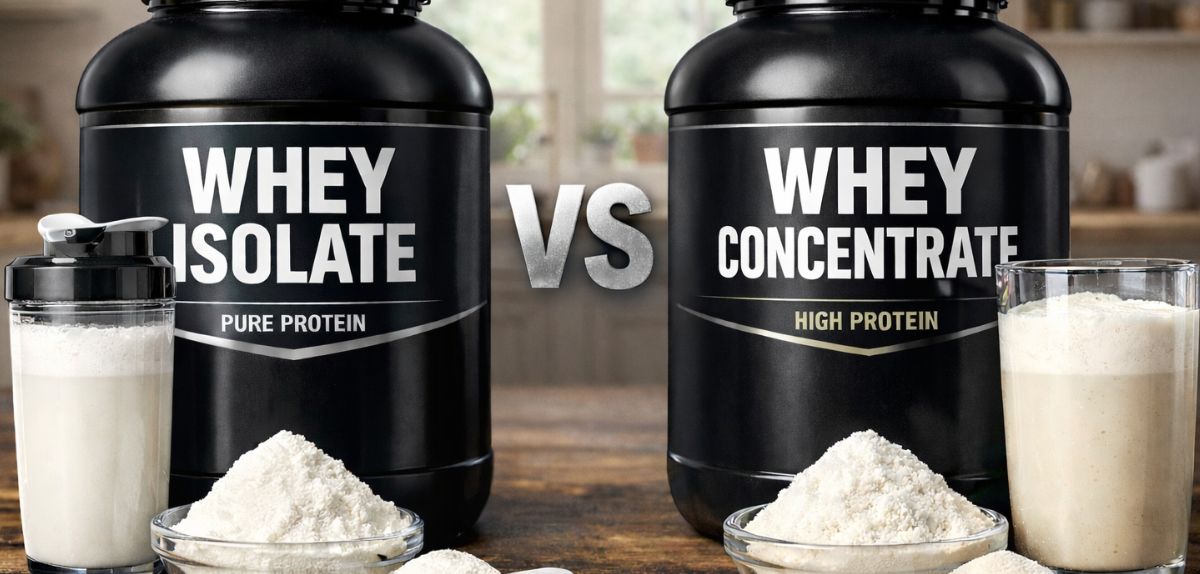
Scare rumours are all around, just like they were before. Protein powders are bad for you because you don’t need that much protein. Whey isolates are good for low fat diets, and the lactose intolerant. Whey concentrates are a superior kind of protein for athletes and muscle recovery. On and on the list goes. Let’s put all this to rest and show you what the real debate is about.
Quick Overview
Whey isolate is often compared with whey protein (concentrate) for its benefits. Some believe whey isolate is superior because it yields 90% protein, is absorbed faster, and has less fat and carbs than whey protein. Others favor whey concentrate because it acts as a meal replacement with protein, carbs, fats, and sugars (lactose).
What’s in this article?
- Why did protein powder become a health food?
- What is whey protein concentrate?
- What is whey protein isolate?
- Does the difference between whey protein isolate and whey concentrate matter?
- Which protein powder do you need?
- Conclusion
- FAQs: Whey isolate vs whey protein
Why did protein powder become a health food?

We’d like to give a short answer like: We humans are just suckers for the latest fad. While this might also be true, there is a more reasonable reason for the inclusion of protein powders in the modern diet. That is: To increase protein intake.
In the 1980s, when Arnold Schwarzenegger propelled fitness and muscle building into the mainstream, men (and later women) became interested in how these results were achieved. High-quality protein sources were elevated as a superior alternative for muscle building, and it wasn’t long before a massive consumer market was born.
Athletes, fitness gurus, health experts, and gym goers endorsed these dietary supplements, and a new star was born. The main benefit put forward: If you get enough protein, you can train harder, recover faster, and build stronger muscles. Later, protein powders would also find their way into weight loss markets, promising increased satiety and reduced appetites.
Today, cost-effective protein is mostly sold under two types of names: Whey protein (concentrate) and whey isolate. But what are you really drinking, and what’s the difference between the two?
What is whey protein concentrate?
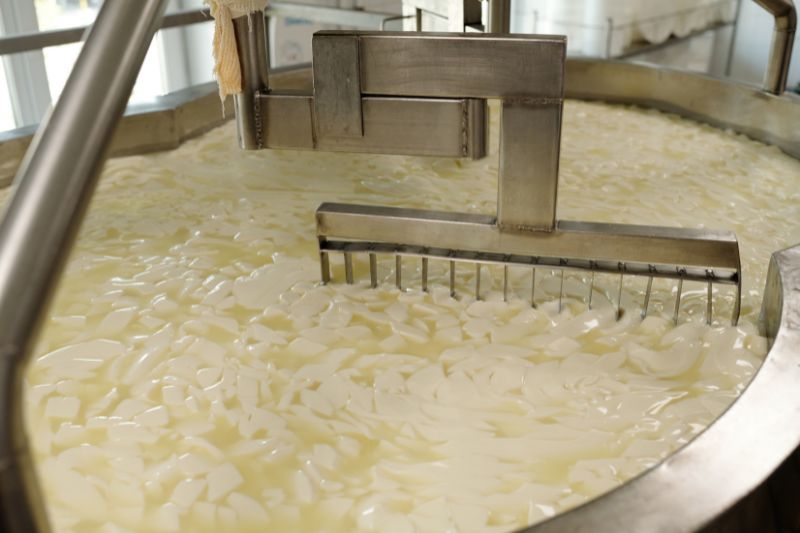
The journey begins on dairy farms where cows are milked each day and produce about 20-30 liters of milk. Cow’s milk contains around 3-3.5% protein. Most of this is casein (around 80%), while the other 20% is whey protein. It is this substance that makes up the whey protein supplementation that is brought online or in health stores.
The milk is then placed in massive vats where it is continually stirred until its components separate. At this point, rennin is added – a special enzyme extracted from the stomachs of young cows. This causes chunks of milk (curds) to surface, leaving behind a liquid called whey.
The solid curds are then sent through the cheese-making process, and the whey liquid is passed through an intense filtration process to extract protein components. After this, it is turned into a powder which retains the goodness of milks such as essential amino acids and minerals.
Before being packaged, flavoring is added, and the whey is put in mixing tanks, ensuring a consistent and smooth powder. And that is how your favorite protein supplements are made.
Organic whey protein concentrates are often a cut above the rest because they have no additives, and you only get pure ingredients. Discover the best organic grass-fed whey protein powders on the market.
What is whey protein isolate?
Whey isolate undergoes the same process as the concentrate, but an advanced filtration process eliminates more carbs, fats, and sugars (lactose) before it is turned into a powder. It is often called a ‘cleaner protein’ because the lactose content is much less (<1g per 100g), and so is the carbohydrate count. It also has a reduced fat content. For this reason, it is preferred by people who have lactose intolerance and are on a calorie-controlled diet.
Whey isolate protein is around 90% pure protein because so many of the other components have been reduced during the manufacturing process.
Does the difference between whey protein isolate and whey concentrate matter?
It turns out the answer is yes. The difference between the concentrate and the isolate does matter if you have special dietary or fitness needs. With this snapshot, it will become clear that the difference is not in the protein, but what else is in the powder.
| Component | Whey concentrate (WPC) | Whey isolate (WPI) | How this difference comes about |
|---|---|---|---|
| Protein % by weight | 70%-80% | 90%-95% | Isolate undergoes cross-flow micro-filtration, which reduces carbs, fat, and lactose. Concentrate provides a more balanced nutritional profile, retaining key nutrients from carbs, and fat. |
| Protein per 30g scoop | 21-24g | 26-28g | Isolate has a marginally higher protein density due to the reduction of fats and lactose. |
| Fat per 30g scoop | 1-3g | 0.5 – 1.0g | Isolate fat content reduced to accommodate dietary needs. Concentrate tastes better and is more satisfying due to higher fat content. |
| Lactose (milk sugar) per 30g scoop | Variable | Very low | Isolate has minimal lactose content making it good for lactose intolerance. Concentrate retains lactose helping with absorption of calcium, magnesium and other minerals. |
| Calories per 30g scoop | 110-130 kcal | 100-110 kcal | Isolate is helpful for calorie restricted diets |
Difference in cost between whey protein and whey isolate
In case you were wondering, the additional processing a protein isolate goes through does affect the cost of the product. Isolate powders are more expensive than whey protein concentrates, but that doesn’t always mean the whey isolate is the better product. Simply, paying more is better only when you have very specific dietary restrictions.
According to Amazon and Walmart, USD prices for WPI are between $40 – $60/kg (2.2lbs), and WPC around $30 – $50/kg (2.2 lbs). Isolate powders from specialized online stores can reach up to $89/kg. The contrast in prices, container sizes, and number of portions varies quite a bit, so be sure to do some shopping around.
Looking for an affordable, organic, whey protein powder where animals have been pasture-fed and humanely treated? Reviewers are raving about: Nutriest’s organic whey protein powder.
What protein powder do you need?

If you’re just standing around in the health shop comparing protein powders because you’ve heard they have some benefits, then these differences won’t matter that much to you. However, if you’re seriously looking for results, and/or are having unpleasant side effects from protein powders (like bloating and gas), then you’ll be interested in how this plays out.
Problem A:
You’re on a structured training program with the aim of building muscle mass. You’re training hard and tracking your protein intake carefully. You’re currently using two whey isolate shakes to help with your protein intake. Despite hitting your protein targets, your strength gains have plateaued, you’re fatigued after a hard workout and you’re battling to recover quickly. Answer: Your issue lies with the fact that the whey isolates offer little beyond protein and as a result your calorie intake is insufficient. Switch to a whey concentrate where you get the added benefit of denser calories from the carbs and fat intake, helping to increase your energy.
Problem B:
You’ve ordered a popular protein powder online. It mixes well and tastes great, but after you drink it, you feel bloated and suffer from digestive discomfort. The longer you drink the shakes, the worse the problem gets, but you don’t want to stop. You’re seeing better muscle recovery after your workout, and an increase in muscle mass. Answer: Change to an isolate. This will likely reduce your dairy intolerance and give you even better results because of the increased protein content.
To summarize: Whey isolate is unnecessary unless you are on a calorie-restricted diet or have food sensitivities such as lactose intolerance.
Conclusion: Which is better?
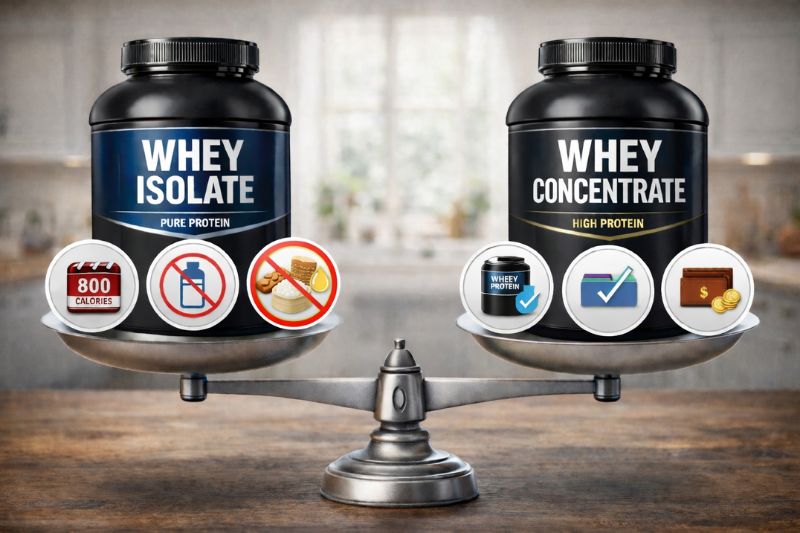
Things are often made more complicated than they should be when it comes to evaluating protein powders; we believe that not necessary. Which protein powder is better depends on your own short-term and long-term health goals. If:
- You are trying to gain weight or build muscle mass: Whey concentrate.
- You need a more filling protein shake that keeps you satisfied for longer: Whey concentrate.
- You want a more cost-effective option: Whey concentrate.
- You’re on a calorie-restricted fat-loss diet: Whey isolate.
- If you experience unpleasant side effects from dairy, Whey isolate.
Organic whey protein powder is a suitable option for most people because it’s nature’s own superfood. Apart from being the most cost-efficient protein powder, it yields a good amount of protein and provides essential amino acids, sialic acid (for gut health) and lactoferrin, which regulates iron and iron uptake from the intestines.
And lastly, to address the question: ‘Are protein powders bad for you?’ If they are mixed with cheap bulking agents, thickeners, artificial sweeteners, flavors, and anti-caking agents, then yes, they can be bad for you. These kinds of powders are widely available, and the side effects often outweigh any benefits you get from them. It is best to stick with certified, organic products like those produced by Nutriest and other reputable brands.
FAQs: Whey isolate vs whey protein
1. Is whey isolate better for weight loss than whey protein?
Yes. Whey isolate is better when calorie count matters. Whey isolate contains a higher percentage of protein, but reduces carbs, fats, and milk sugars, which can increase calorie count. Over time, the reduced calories in whey isolate will help you keep your total calorie count within target, as you work towards dropping body weight and fat levels.
2. Why does whey concentrate cause digestive problems?
For people sensitive to the milk sugar lactose, whey concentrate can cause digestive discomfort. Symptoms include bloating, gas, belching, cramps, and stomach upset. The severity of these symptoms will depend on how serious your dairy intolerance is. These symptoms are caused by insufficient digestive enzyme (lactase), which reduces the body’s ability to break down milk sugars. These milk sugars can also ferment in the colon, causing gas and belching. A whey isolate can help you reduce digestive problems caused by lactase.
3. Is whey protein isolate worth the higher price?
Whey isolate is only more expensive than whey concentrate because it undergoes additional filtration processes to reduce carbs, fats, and milk sugars. If you’re on a calorie-restricted diet, have lactose intolerance, or want the maximum dose of protein (up to 95%), then a protein isolate can be worth the higher price. The higher price does not mean that whey isolate is a better product than whey concentrate.
Sources: