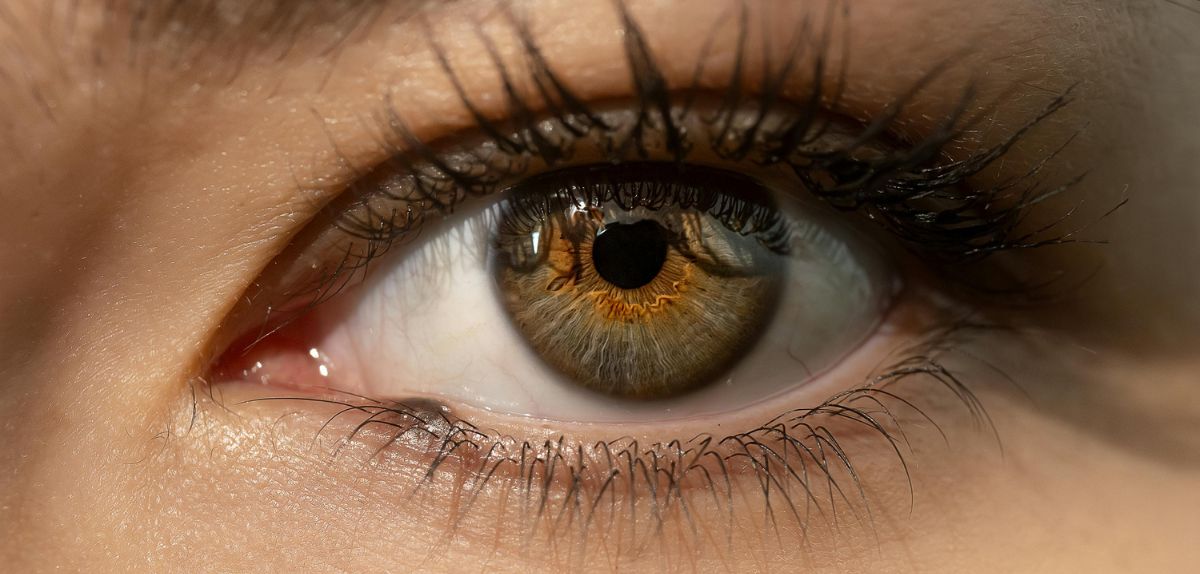
They say that the eyes are the windows to the soul. As it turns out, they also reveal other secrets to us, like the presence of iron deficiencies. Long before fatigue becomes chronic, headaches become troublesome, and your nails become as brittle as a dry twig, your eyes tell the story: You’re not getting enough iron.
In this article, we bring together two topics of interest. Using the eyes as an early diagnostic tool, and getting rid of the low iron symptoms you’re experiencing.
Quick Overview
Signs of low iron in the eyes include pale-looking eyes (pallor), dark circles, blurred vision, and a bluish tint to the eye whites (blue sclera). Iron makes hemoglobin, and hemoglobin carries oxygen to the body. The retina is the most oxygen-hungry tissue in the body, and that is why symptoms of low iron show up there in its early stages.
Table of Contents
- Why the eyes can help you spot early symptoms of iron deficiency
- Eye strain or fatigue
- Pale lower eye (pallor)
- Dark circles or blue sclera
- Other symptoms related to low iron levels
- What can you do to increase your iron levels naturally?
- Conclusion
- FAQs: Signs of low iron: Eyes
Why the eyes can help you spot early symptoms of iron deficiency
When iron levels begin to dip due to blood loss (such as menstruation), malabsorption, gastrointestinal conditions (like stomach ulcers), or a diet low in iron-rich foods, the production of hemoglobin is affected1. Hemoglobin is an iron-containing protein found in the red blood cells of humans2. When the body’s oxygen-transporting molecule (hemoglobin) is lacking, the eyes, which are an oxygen-hungry tissue, show the first signs.
While these common symptoms will not help you to make a complete diagnosis of low iron levels (you will need a blood test for that), they can put you on the right path for getting adequate treatment. Mild iron deficiency symptoms are easily treatable with a change in diet and iron supplements. It is advisable that you see a doctor to accurately diagnose insufficient iron intake – especially if these symptoms do not go away with diet and supplementation.
If these low iron symptoms are feeling all too familiar, it’s time to give your body the raw materials it’s quietly been asking for. You can do this right away with Nutriest’s heme iron supplements. Naturally nutrient-dense, and made from freeze-dried, grass-fed beef spleen, and grass-fed beef blood, these supplements support your body while it corrects iron imbalances.
Eye strain or fatigue

Integrative medicine views the eye as a sensitive biomarker of the internal nutrient status. Because oxygen delivery and mitochondrial function are iron-dependent, small shifts in iron availability can show up in the eye.
The more iron-deficient you become, the more your eyes are deprived of adequate oxygen to function. Where you normally had clear eyes, adequate lubrication, and sharp vision, you begin to notice small irritations such as: blurry vision, scratchy eyelids, eye twitching and increased eye fatigue. You feel like you’re straining your eyes – and that’s because they’re working harder to do what should come naturally.
Over the course of weeks and months, eye symptoms can be accompanied by other nagging signs. In this case, the eye drops that have become your best friend will only go so far. It’s time for another treatment.
Pale lower eyelid (pallor)
Known medically as palpebral conjunctival pallor, it describes a pale pink to very pale to white inner eyelid (conjunctiva). By checking the lower lid, doctors screen for moderate-to-severe anemia because it reflects reduced capillary hemoglobin. This simple diagnostic test has been found to be more reliable than looking at the nail-bed or palms.
When you have a healthy iron level, the lower eyelid tissue appears a rosy pink or salmon color because there is a high concentration of hemoglobin present in the capillaries. Iron-deficient tissues are pale or even white in colour (severe anemia).
When pale lower eyelids present alongside other symptoms, doctors will run a full screening for anemia, known as a complete blood count (CBC). This will provide information about the number of blood cells being produced, as well as the size of your blood cells.
Feel like this might be describing you? Then it’s time to investigate iron supplementation, but before you go off to buy just any pill, educate yourself about what works and what doesn’t. In, ‘Understanding the Difference Between Synthetic vs Whole-Food Supplements: A Scientific Perspective’ Dr. Juan Carlos Cassano helps you to make better choices.
Dark circles and blue sclera
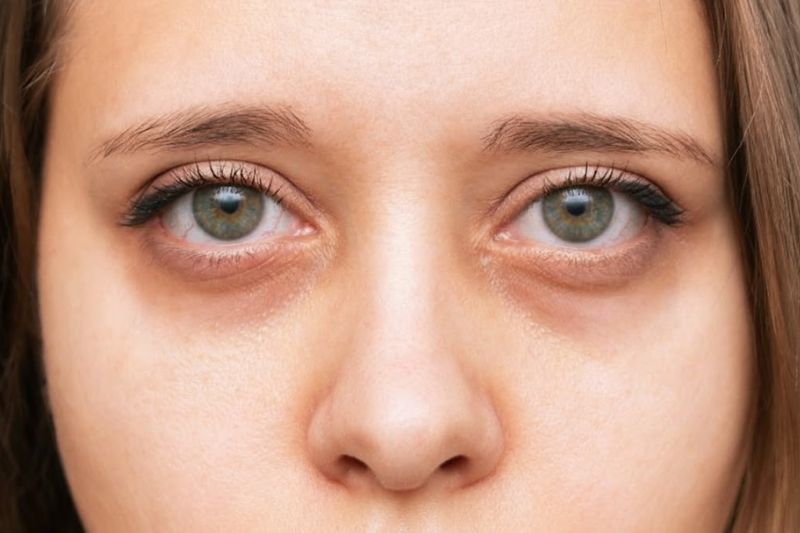
Among the most overlooked signs of low iron are dark circles under the eyes and a bluish tint to the eye whites (or sclera). Their presence points to imbalances somewhere in the body’s oxygen delivery system and mitochondrial function.
Dark circles
We know what dark circles look like because we’ve seen them in the mirror. We brush them aside as tiredness, lack of sleep, allergies, or genetics. But what if they’re a sign of something else – like iron deficiency?
Low oxygen delivery to the fragile capillaries below the eye causes pooling of deoxygenated blood beneath the eye socket. This is what we call dark circles. If they go away with a good night’s rest, you have your answer. But if it’s becoming your everyday look, it’s worth investigating further.
Blue sclera
Have you noticed a bluish tint to your eye whites? Perhaps you thought you were imagining things. Not necessarily. Iron is responsible for the enzymes that cross-link collagen, and collagen accounts for the bright whites of your eyeball. Without sufficient oxygen, the sclera becomes translucent, giving it a blue appearance. Blue sclera reflects chronicity, which means that iron has been low for a while.
Other symptoms related to low iron levels
While the eyes are an excellent early warning system for low iron absorption, there are also other symptoms that point to it (including some unusual ones). These symptoms indicate that there could be a systemic problem with iron absorption, getting sufficient oxygen to all parts of the body, or making enough haemoglobin.
- Mouth ulcers, sore or swollen tongue
- Restless legs syndrome
- Spoon-shaped nails or brittle nails
- Cold hands and feet
- Heart palpitations and shortness of breath
Your body will prioritise survival over optimal functioning, so if iron levels are low for a few months, you will notice either a worsening in these symptoms or the addition of new symptoms that you didn’t have before.
What can you do to increase your iron levels naturally?
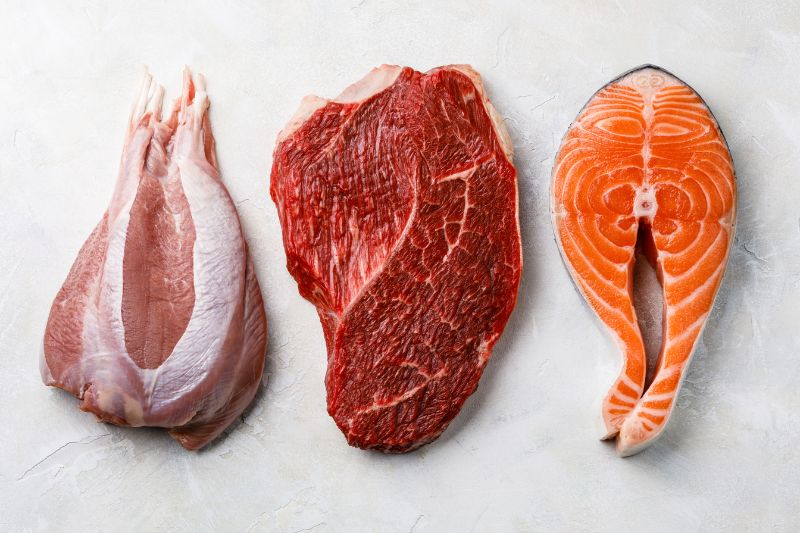
With mild iron deficiency, changes in diet and iron supplementation will lead to a significant decrease in symptoms.
Healthy iron rich diet
Decades before gut microbiome science exploded on the scene, natural medicine practitioners proposed that gut health shaped a person’s nutrient profile. Modern science now supports this idea.
Include the following nutrient-rich foods in your diet to increase iron levels naturally:
- Animal products that provide heme iron, such as beef, lamb, pork, chicken, liver, kidney, seafood and eggs.
- Non-heme iron foods such as legumes, green-leafy vegetables, citrus fruits, raisins, oats, nuts and seeds.
For increased iron absorption, eat foods that are rich in Vitamin C in your meal choices. Also, avoid coffee, tea, or milk a few hours before you eat as they inhibit iron absorption. A balanced diet is important to maintain a healthy body and prevent iron deficiency.
Supplementation
The most biologically natural way to increase iron levels is to add organ meat supplements to your diet. They are produced by freeze-drying the organs of grass-fed cattle, producing a highly bioavailable product. The belief behind these products is that nutrients found in whole organs mirror what the body needs to build its own tissues. In the case of iron deficiency, this means heme iron.
Many people who cannot tolerate traditional iron salts find organ meat supplements work better and have less unpleasant side effects (like nausea and constipation). However, supplementation works best when paired with an iron-rich diet and when underlying causes have been addressed.
Learn more about organ meat supplementation for iron deficiency, with or without anemia
- How long does it take for iron to be absorbed into the blood?
- Beef Blood: The Best Iron Supplement for Anemia
Conclusion
There is a certain honesty in the eyes that the rest of the body uses as a communication channel. By noticing changes in your eyes, you can identify what your body is trying to say – long before your low oxygen levels send you for a doctor’s check-up. Armed with basic information about bodily functions, you can take steps to prevent further symptoms and help your body cope better with modern life.
Take the first step towards getting rid of low iron symptoms with Nutriest’s heme iron products.
FAQs: Low iron eyes
1. How do I tell if I have low iron levels in my eyes?
Yes, the eyes are a good early diagnostic tool for spotting low iron levels. The retina is considered one of the most oxygen-hungry tissues in the body. Iron creates a protein called hemoglobin, which carries oxygen to where it is needed in the body. When your body cannot absorb iron effectively—whether due to diet, gut issues, or chronic blood loss—oxygen delivery shifts, and the eyes respond first.
2. Is iron deficiency common worldwide?
Iron deficiency (ID) is the most prominent nutritional deficiency and a major precipitant of anaemia. A major international study showed that nearly 1.2 billion people worldwide suffer from iron deficiency anemia (IDA), and iron deficiency without anemia (IDWA) is estimated to be twice as common.3
3. How is iron deficiency medically classified?
Iron deficiency (ID) is a broader term used in medicine that describes low iron stores that do not meet the body’s requirements. This is regardless of whether anemia is present or not. While ID does decrease hemoglobin synthesis, it is only classed as IDA (iron deficiency anaemia) when the levels fall below the standards set by the World Health Organisation. These are: 130 g/L in males, 120 g/L in non-pregnant females and 110g/L in pregnant females.3
References: