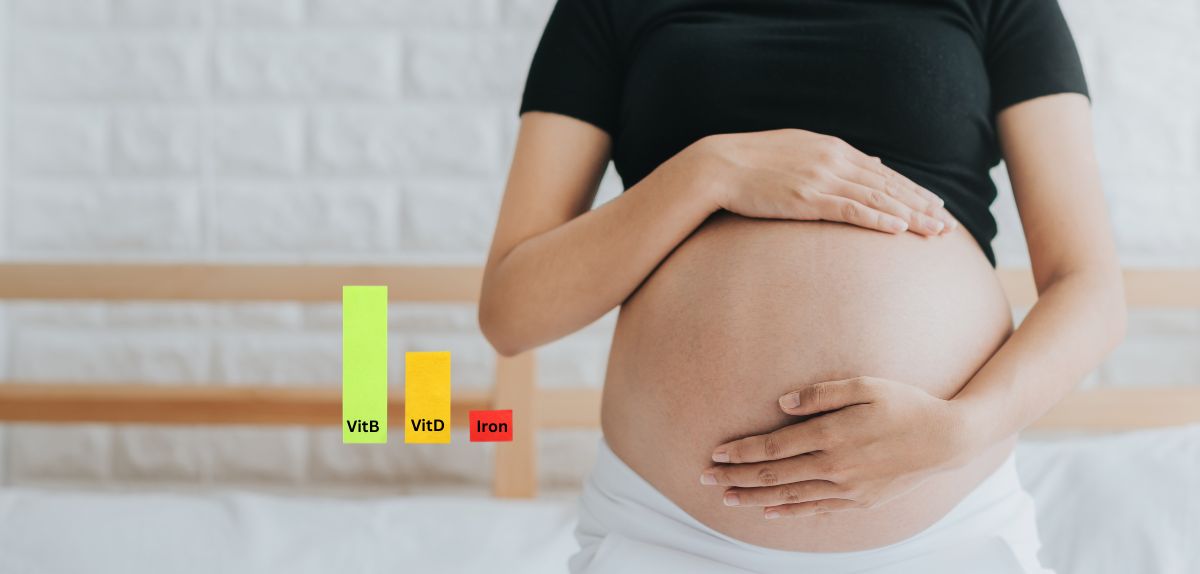
For as long as there have been people on this planet, it has been women who have carried the world – literally. Across the centuries, women have bravely carried every single human being that existed, despite pregnancy challenges and the pain of childbirth. This kind of resilience is extraordinary, but doesn’t come without a cost.
Pregnancy places immense demands on your body. As it adapts to new life, there are many changes that take place. One surprising change is that blood volume increases by up 30% to accommodate new life. If your diet doesn’t provide enough iron, this becomes a real challenge, causing problems at a time when your body needs all the nutrients it can get.
We look into the causes of iron deficiency in pregnancy, its symptoms, and what you can do to treat it before you give birth.
Quick Overview
Iron deficiency in pregnancy occurs when there are not enough iron stores available to help the body increase blood volume during pregnancy. This increased blood volume helps to carry oxygen to the mother and baby, keeping them healthy. If iron deficiency is confirmed by blood tests, an iron supplement will be prescribed.
Table of Contents
- What is iron deficiency in pregnancy?
- What are the root causes of iron deficiency in pregnancy?
- Symptoms of iron deficiency in pregnancy
- Treatments for iron deficiency in pregnancy
- Conclusion
- FAQs: Iron deficiency in pregnancy
What is iron deficiency in pregnancy?
Iron deficiency in pregnancy can take two forms. One is iron deficiency anemia, and the other is folate deficiency anemia. If the number of blood cells that your body produces is lower than normal, this prevents adequate transportation of oxygen to your body’s tissues and organs. According to one study, your body needs an additional 1000mg of iron during pregnancy.
Anemia leads to poorer vitality, well-being and quality of life. Women of childbearing age are particularly prone to iron deficiency due to menstruation and pregnancy. During pregnancy, a mother is at risk of developing obstetric complications due to a reduced volume of red blood cells. These complications can include a low birth weight baby, preterm birth, reduced cognitive and motor skills for the child (due to lower oxygen levels), and severe fatigue for the mother.
A World Health Organization report found that anemia is increasing in women aged 15-49 years. Women in Africa and South-East Asia account for 60% (366 million) of the global burden currently. Worldwide, the number of severe anemia cases is increasing, showing the need for prompt and early intervention. With women of childbearing age already struggling with anemia, it is critical to address this before becoming pregnant, as pregnancy will only strain your body’s ability to produce enough red blood cells.
Fortunately, both iron-rich foods (from a balanced diet) and iron supplements are available to help women manage anemia correctly. Dr. Juan Carlos Cassano discusses a natural bioavailable form of iron supplementation in, ‘The best dietary supplement for iron deficiency’, ideal for pregnant women.
What are the root causes of iron deficiency in pregnancy?
During pregnancy, your body needs to produce more red blood cells to provide enough oxygen for you and for your baby. During the second and third trimesters, this burden increases substantially as the baby grows and develops. By understanding the root causes, you can get the correct treatment.
- Iron deficiency anemia: The most common cause of anemia in pregnant women. Caused by an insufficient intake of iron from good nutrition, and blood loss due to menstruation.
- Folate deficiency anemia: A deficiency in vitamin B9 (folate) and vitamin B12 is caused by dietary restrictions, malabsorption challenges (such as digestive problems), and certain medications. [1]
Anemia can only be diagnosed accurately by your doctor, who will do a complete blood count (CBC) and a folic acid check. The doctor will also ask you about any problems you may have that could signal iron absorption issues. Health governing bodies in various countries (such as the Centers for Disease Control and Prevention (CDC) and the American College of Obstetricians and Gynecologists) commonly recommend that anemia screening be performed at the first prenatal visit, with a repeat screening between 24-28 weeks.
You are at greater risk for developing gestational anemia if:
- You’ve had two pregnancies close together.
- You are pregnant with more than one child (increased need for blood production).
- You have severe morning sickness (this causes nutritional deficiencies).
- You had moderate or severe anemia before you became pregnant (even if you got it under control).
- You have a gastrointestinal disease that can decrease iron absorption.
Symptoms of iron deficiency in pregnancy
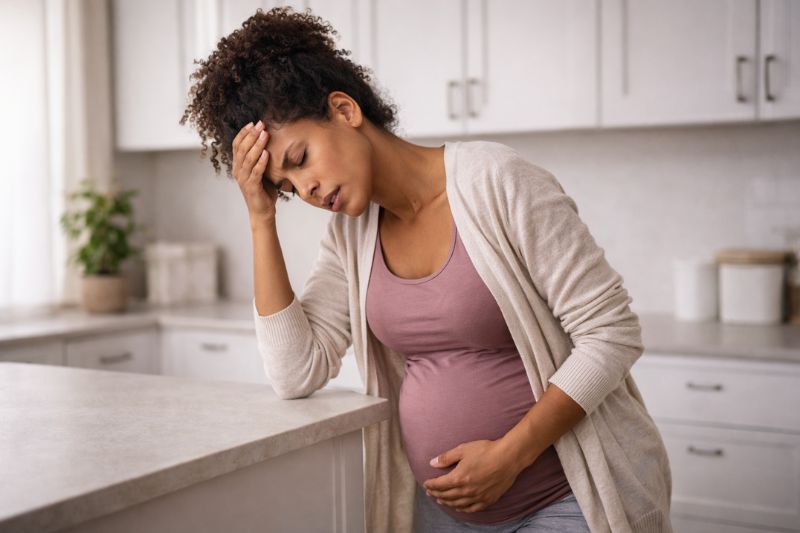
Anemia during pregnancy is not only a concern for mothers, but due to its high prevalence, it is also a focus for your healthcare provider. This is extremely good news for pregnant women because it means you are more likely to be taken seriously when you report symptoms related to anemia. Speak to your doctor if you experience any of the following:
- Feeling fatigue, weakness or dizziness that doesn’t go away with enough rest.
- Pale skin and eyes. The eyes are a great indicator of signs of low iron; pregnant people spot problems before they become more serious.
- Trouble concentrating on small tasks that were previously done with ease.
- Increased heartbeat even when resting.
- Feeling cold and restless for no reason.
During the first trimester, there are many changes that take place, and noticing them all can be overwhelming. However, there are some symptoms that need medical attention, while other symptoms are just part of the journey (such as heartburn, nausea, and cravings). The important part is to listen to your body and know that there is help available for iron deficiency during pregnancy.
In, ‘How Long Does It Take For Iron To Be Absorbed Into The Blood?’ Nutriest takes an in-depth look at how iron is absorbed by the gut in two phases, and how long it will take to feel better. This increased understanding will help to reduce your anxiety around iron deficiency.
Treatments for iron deficiency in pregnancy
Since most women of childbearing age are at an increased risk for anemia, the World Health Organization recommends a separate iron supplement of 30–60 mg of elemental ferrous iron for all pregnant women. [1] This can be taken with prenatal vitamins prescribed by your healthcare provider. Left untreated, an iron deficiency will cause a number of complications, so women are advised to take their medicine regularly and report any increase in symptoms.
Speak to your healthcare provider about taking natural, bioavailable whole food supplements such as those made from organ meat. These supplements are taken from the organs of grass-fed beef cattle and freeze-dried to provide you with only natural ingredients.
The idea behind these supplements is that they provide your body with iron in a way that it recognizes and can use more readily than synthetically made supplements. They are also not loaded with fillers, GMOs, and preservatives. Nutriest offers three products for iron deficiency made only from grass-fed beef.
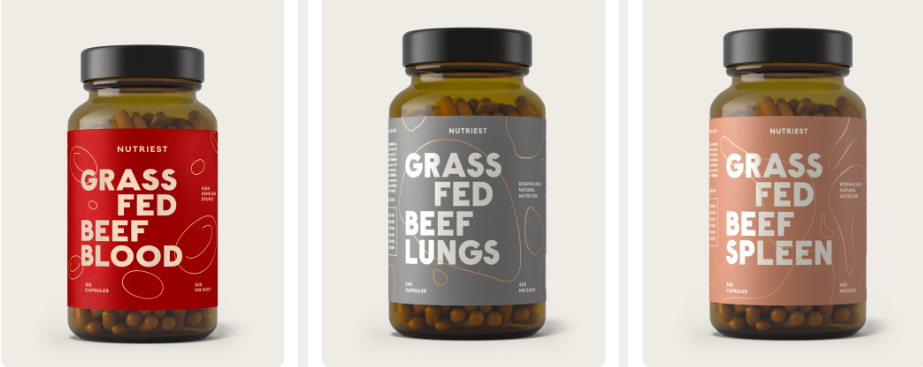
The holistic approach to iron deficiency anemia is to begin with a balanced diet, rich in iron foods such as dark green leafy vegetables, and high-quality protein. If you can prevent anemia through your diet, then it is an approach that can stay with you throughout your reproductive years and beyond.
Conclusion
Women are the bravest of souls. Your ability to carry another life inside of you is truly a wonder of nature. But we all know that pregnancy is demanding on the body. Maintaining healthy iron levels is a very important aspect of looking after yourself during this time.
While a healthy, nutritionally balanced diet is key during pregnancy, it doesn’t close the entire gap. This is when supplementation is necessary to support your body and your well-being. High-quality supplements set the benchmark for pregnancy care. Not only do they protect you and keep you healthy, but they also give your child a good start in life.
If you’re looking for a whole-foods approach, then Nutriest’s grass-fed organ supplements are designed to complement a nutrient-rich diet. They offer only natural ingredients, and because they’re highly bioavailable, your body will know exactly what to do with them. Just natural, supportive help for your body during your pregnancy, and beyond.
FAQs: Iron deficiency in pregnancy
1. Is it necessary to take folic acid during pregnancy?
Yes, it is necessary to take folic acid during pregnancy. Across the globe, 500 million+ women of childbearing age suffer from mild to severe anemia, according to the World Health Organization. During pregnancy, the risk of iron-deficient or folate-deficient anemia increases as the body produces more red blood cells to carry oxygen to both mother and baby. This makes it necessary to take folic acid during pregnancy.
2. How much extra iron does my body need during pregnancy?
During pregnancy, the body needs an extra 1000mg of iron. To meet this need, the average woman should take at least 27mg of additional iron daily. However, each woman is different, and it is advisable that you consult your healthcare provider to carry out a full blood count. It is unlikely that food alone will give you enough iron during pregnancy, especially if you already have low iron levels due to menstrual blood loss.
3. What foods can I eat to increase my iron levels?
To increase iron levels, you should try to include iron-rich foods in your daily diet. Iron-rich foods fall into three categories: animal, plant, and fortified foods. Animal foods include beef, pork, or chicken liver, and also shellfish or red meat. Plant foods include legumes, seeds, nuts and dark leafy greens. Fortified foods are breakfast cereals and breads. Consume iron-rich foods with vitamin C for better absorption. This is foods such as citrus fruits, broccoli, and peppers.
4. Is anemia dangerous during pregnancy?
Anemia during pregnancy can become serious if left untreated. Untreated anemia has been associated with low birth weight, premature birth, and increased complications for the mother and baby. This is because the body needs red blood cells to carry oxygen around the body. Mild anemia during pregnancy can be managed with diet and supplementation; the level of iron deficiency should always be confirmed by a healthcare provider.
5. How quickly can I increase my iron levels?
How quickly you can increase iron levels will depend on how deficient you are. With mildly low iron levels and supplementation, you can expect levels to normalize within 6-12 weeks, but you will begin feeling better after 1-2 weeks. To fully rebuild iron stores, doctors recommend you stay on an iron supplement for up to 3 months after the levels normalize.
References: