
Can low iron cause depression? The answer is yes. You see, low iron can cause symptoms that resemble depression in some people. However, it’s rarely the only reason that you may feel low, anxious, tired, and mentally flat.
This article will explain how iron deficiency affects the body and brain, what the research tells us about this subject, and when a blood test may help you find the root cause.
At a Glance
Low iron can affect mood, fatigue, oxygen delivery, sleep, concentration, and mental health. This is especially significant when ferritin and hemoglobin levels are low.
With that said, depression still needs prompt medical intervention because several conditions may have overlapping symptoms. These include major depressive disorder, anxiety disorders, thyroid issues, vitamin D deficiency, stress, and sleep disorders.
Can Low Iron Cause Depression?
Low iron can cause symptoms that feel a lot like depression. Of course, we are not saying that all cases of depression stem from iron deficiency. Still, it is worth it to explore your iron levels when you feel exhausted, flat, foggy, dizzy, weak, cold, restless, and unable to function like your normal self.
Iron plays a basic but powerful role in your body as it’s an indispensable component of hemoglobin. The latter is the protein that we find in red blood cells to carry oxygen from the lungs to the rest of the body. The National Institutes of Health notes that iron mediates neurological development, cellular function, and hormone synthesis, which is one reason low iron levels can affect more than energy alone.
When oxygen delivery drops, your brain notices that. The body may still work fine, but life starts to feel harder than it should. For example, you may start to:
- Sleep more but feel tired.
- Eat well but feel weak.
- Try to push through stress but feel overwhelmed by small tasks.
The National Institute of Mental Health describes depression as a condition that can affect sleep, appetite, energy, concentration, self-worth, and daily function. These symptoms overlap with iron deficiency anemia, which is why the two can be confused.
Iron Deficiency Anemia vs Iron Deficiency
Iron deficiency and iron deficiency anemia are related. However, they are not the same.
Iron deficiency means the body does not have enough iron. Stored iron is usually estimated by measuring ferritin levels. On the other hand, iron deficiency anemia describes a deficiency that has gone far enough to negatively impact hemoglobin levels and oxygen transport.
The World Health Organization (WHO) defines anemia as a condition where red blood cells or hemoglobin are lower than normal, which reduces oxygen delivery to organs and tissues.
| Term | What it means | Why it’s important for mental health |
|---|---|---|
| Low iron | Iron intake, absorption, and stored iron may be too low. | It can cause fatigue, low motivation, dizziness, restless legs, and poor concentration. |
| Low ferritin | Ferritin levels suggest low stored iron. | Symptoms can appear before hemoglobin becomes abnormal. |
| Iron deficiency anemia | Low iron has affected hemoglobin or red blood cells. | Oxygen delivery drops, which can worsen fatigue and brain fog. |
| Clinical depression | A mood disorder that’s defined by DSM-5. | Needs professional assessment, especially with persistent low mood or loss of interest. |
How Low Iron Levels Affect Mental Health
Your brain needs iron in the right amount, in the right places.
Iron is involved in neurotransmitter synthesis, myelination, neurodevelopment, and brain energy metabolism. A 2024 paper on adolescents states that iron is absolutely vital for neurogenesis, synaptogenesis, neurotransmitter synthesis, and myelination. In simple terms, iron levels play a role in the nervous system, mood regulation, cognition, sleep, and emotional resilience. Researchers have also discussed iron’s role in serotonin, dopamine, and noradrenaline pathways. These are all relevant to mood disorders and mental health.
Another important aspect is the blood-brain barrier. Keep in mind that the brain does not simply absorb whatever is in the blood. Iron transport into the brain is regulated as transferrin and transferrin receptors ensure the movement of iron across the blood-brain barrier.
To sum up, too little or too much iron can both be a problem. The goal is to have optimal levels for your body.
What Research Says About Anxiety and Depression
A 2024 study looked at young adults aged 18 to 25 and compared iron markers with depression scores. The study included 917 participants and found that young adult males with ferritin, serum iron, and transferrin deficiencies had higher odds of depression. In females, the results were more complex.
Another large study examined adolescents aged 12 to 17. It found that iron deficiency with or without anemia was associated with higher PHQ-9 scores (a special test to diagnose depression) in adolescents. What’s more, iron deficiency with anemia was associated with more severe anxiety and worse mental health in that group.
In older adults, we see similar patterns in older adults. A Korean national survey study found that moderate ferritin levels were associated with lower suicidal ideation in men and lower insomnia and stress perception in women. However, we need to take these results with a grain of salt since the authors themselves stated that they cannot prove direct causation.
So, can low iron cause depression and anxiety? The research suggests low iron may contribute in some people, especially where fatigue, sleep problems, poor concentration, low ferritin, heavy menstrual blood loss, and anemia are present. By no means does this suggest that iron supplementation replaces talk therapy and medical treatment.
Symptoms of Low Iron That Can Look Like Depression and Anxiety
Common symptoms include:
- Fatigue.
- Weakness.
- Dizziness.
- Shortness of breath.
- Cold hands and feet.
- Headaches.
- Restless legs.
- Poor concentration.
- Reduced exercise tolerance.
- Unusual cravings for ice or dirt.
- Brittle nails.
- Hair shedding.
- Pale skin.
As you can see, it becomes indispensable to differentiate the symptoms of low iron levels and depression.
Blood Tests for Iron Levels and Ferritin Levels
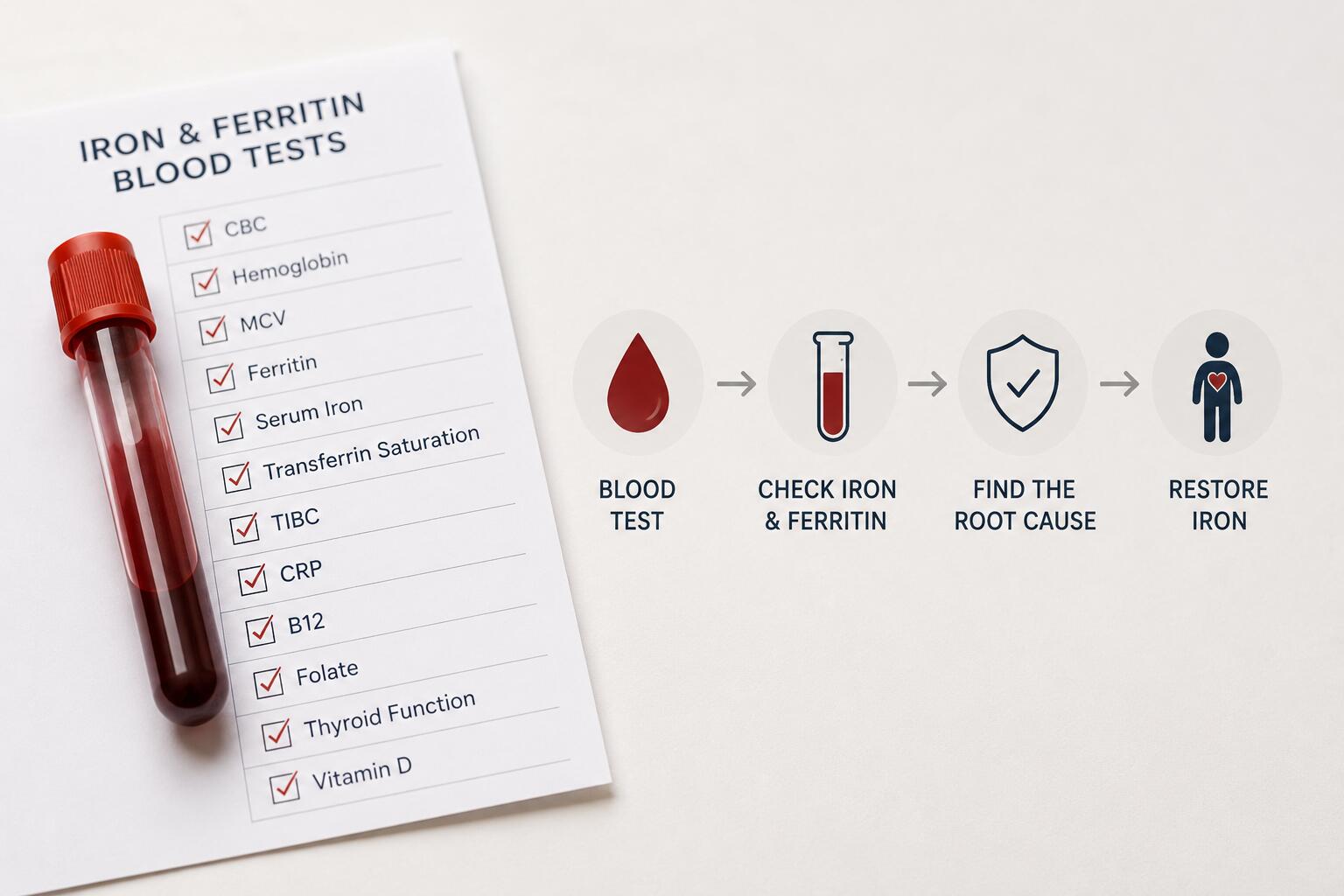
A blood test is the only sensible way to know whether iron is low or not.
For example, a patient can test their complete blood count, hemoglobin, mean corpuscular volume, ferritin, serum iron, transferrin saturation, total iron binding capacity, C-reactive protein, B12, folate, thyroid function, and vitamin D.
Ferritin is very useful because it tells us about stored iron. However, ferritin can be misleadingly high due to inflammation, infection, liver disease, and some health problems. Therefore, it should not be read in isolation.
The root cause is as much as the number. Low iron can be caused by heavy periods, pregnancy, postpartum bleeding, low intake of iron-rich foods, poor iron absorption, gut disorders, regular blood donation, gastric ulcers, some medications, and hidden gastrointestinal blood loss. In men and postmenopausal women, unexplained iron deficiency anemia is more delicate and requires careful medical attention.
Iron Rich Foods, Iron Absorption, and Dietary Changes
There are two main types of dietary iron: heme iron and non-heme iron.
Heme iron comes from animal foods such as red meat, liver, spleen, beef blood, fish, and poultry.
Non-heme iron comes from plant foods such as lentils, beans, spinach, tofu, pumpkin seeds, and fortified grains.
Vitamin C-rich foods can support iron absorption from plant foods. Good choices include citrus fruits, kiwi, strawberries, peppers, tomatoes, and broccoli. The NIH notes that iron is naturally present in foods and is available as a dietary supplement, and it explains the difference between the forms used in supplements.
But there is a twist here. Vitamin C can help with non-heme iron absorption from meals. However, a randomized clinical trial in adults with iron deficiency anemia found that oral iron supplements alone were comparable to iron supplements plus vitamin C for hemoglobin recovery and ferritin improvement.
So, vitamin C is useful, but it is not magic. Your real focus should be consistent iron intake, good absorption, and a proper plan.
When Iron Supplementation or Iron Supplements May Help
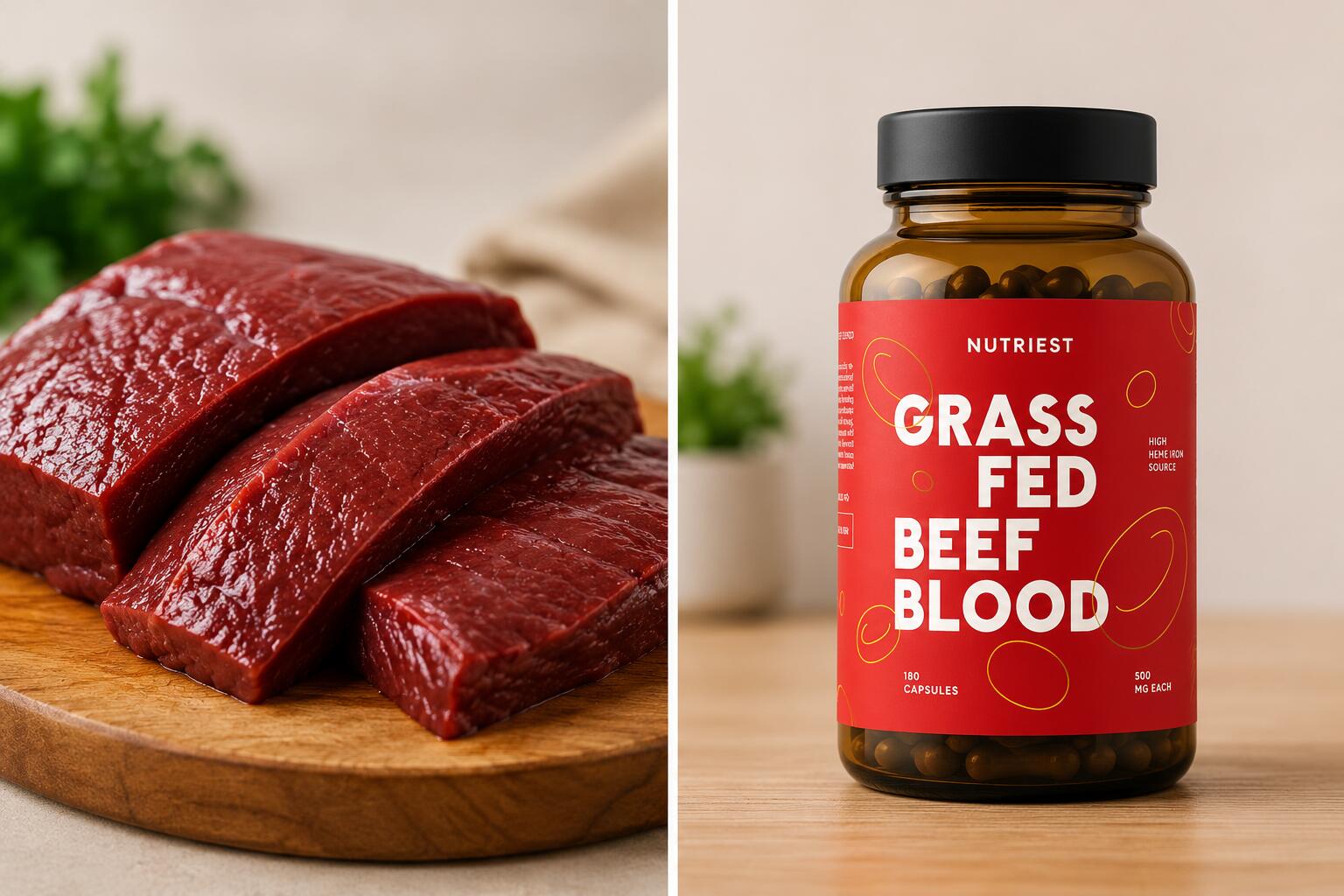
Iron supplementation is helpful when blood tests confirm low iron, low ferritin, and iron deficiency anemia.
Iron tablets such as ferrous sulfate or ferrous gluconate can work, but they may cause nausea, constipation, stomach pain, and dark stools. The NIH stresses that high doses of supplemental iron can cause gastrointestinal side effects and that different forms contain different amounts of elemental iron.
Whole-food heme iron is another option for people who prefer an animal-based source. This product contains freeze-dried grass-fed beef blood, provides 101% NRV of heme iron, and aids with fatigue and low energy associated with iron deficiency.
Conclusion
Depression and anxiety are not always caused by iron. The best approach is to test, identify the underlying cause, correct deficiencies, and treat mental health symptoms seriously. If low iron is part of your picture, food is very important. Iron-rich foods, vitamin C-rich foods, and the right form of iron supplementation can all support recovery.
For a simple whole-food heme iron, Grass Fed Desiccated Beef Blood Supplement may be worth considering after you confirm low iron and speak with your doctor.
Frequently Asked Questions (FAQs)
1. Can low iron cause depression?
Yes, low iron may trigger symptoms that resemble depression. Low iron may reduce oxygen delivery, affect neurotransmitter pathways, worsen fatigue, and make daily stress feel harder to manage.
2. Can low iron cause anxiety and depression together?
Low iron may contribute to anxiety and depression symptoms, especially when anemia, low ferritin, sleep problems, palpitations, dizziness, and fatigue are present. A blood test is the only definitive way to separate iron deficiency from primary anxiety disorders or major depression.
3. How much iron should I take for depression?
You should not take iron for depression unless a blood test confirms low iron or iron deficiency anemia. The right amount depends on ferritin levels, hemoglobin, age, sex, diet, pregnancy status, symptoms, and the underlying cause.
4. How long does it take to feel better after iron supplementation?
Some people notice that their energy levels improve within weeks. However, it will take months to rebuild your iron stores.